Software for resellers and golf stores to sell used golf clubs at scale

Process supply faster
Standardize intake for trade-ins, buybacks, and bulk lots with fast, structured workflows.
Grade items accurately
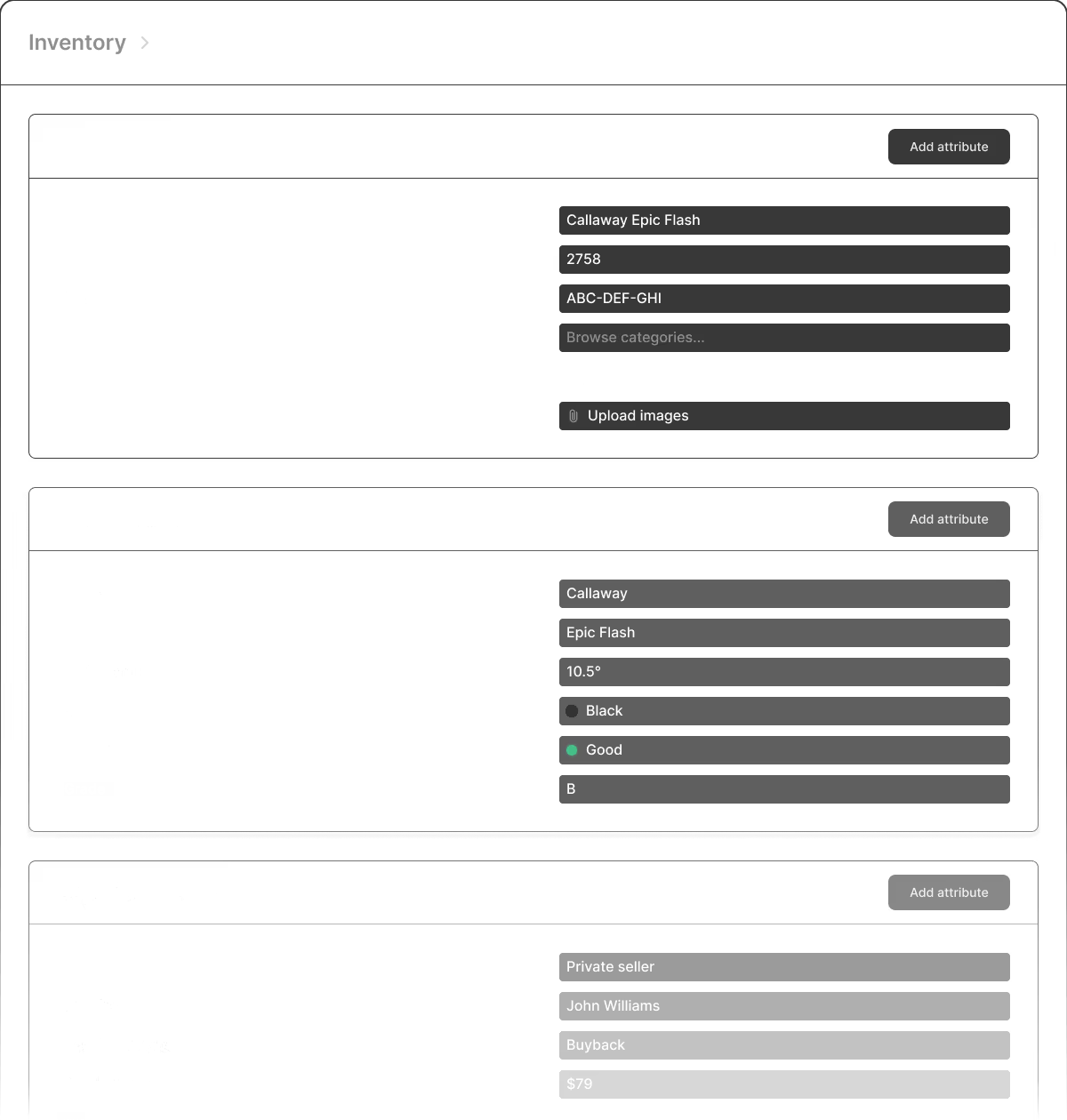
Capture brand, model, loft, lie, shaft, flex, grip, and condition consistently at item level.
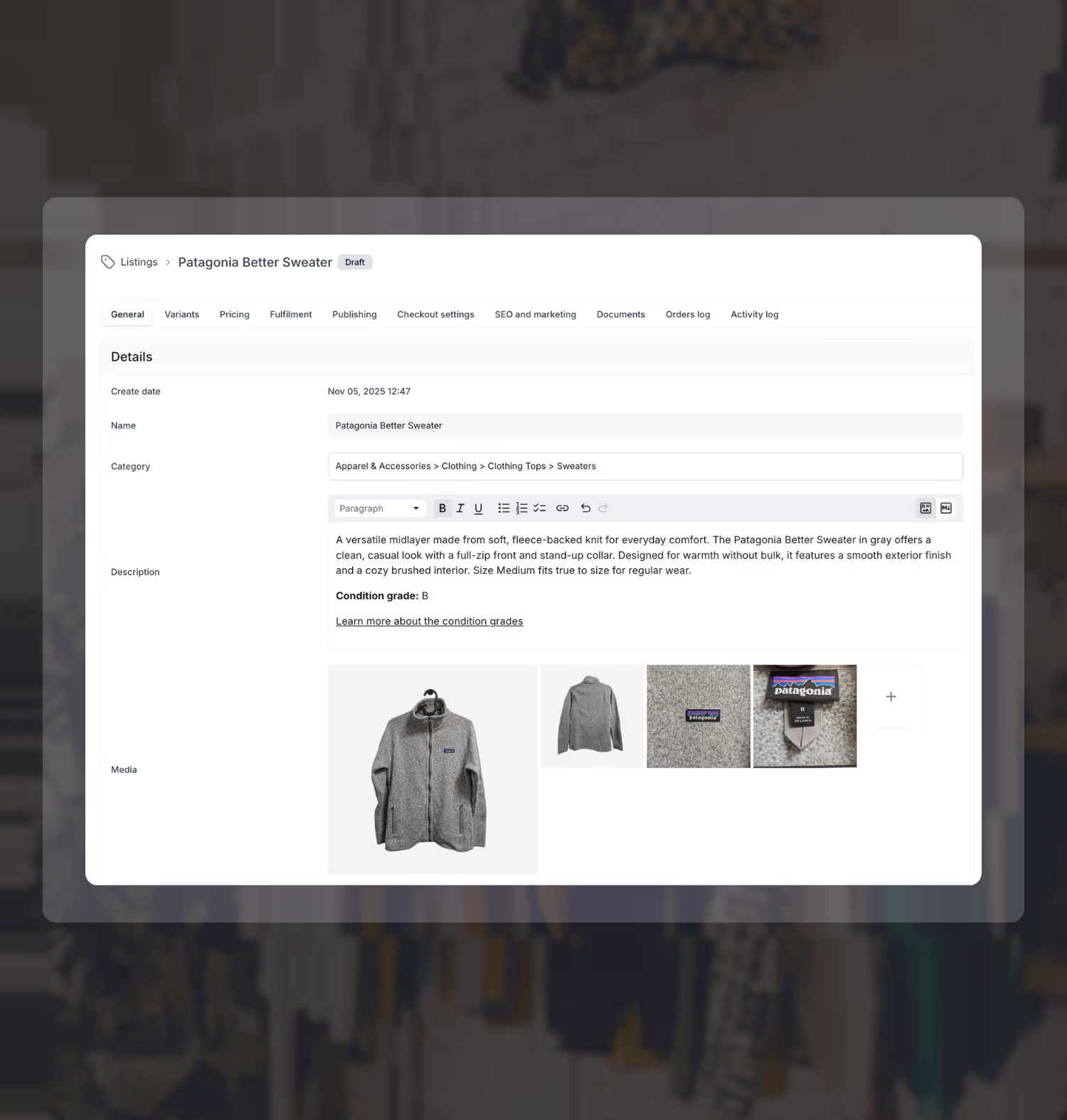
List items at scale
Turn detailed intake data into clean, conversion-ready product pages automatically.
Sell everywhere
Cross-list clubs to your store, pro shops, and marketplaces with real-time inventory sync.
From sourcing to selling in one continuous flow.
Register resale inventory with structure
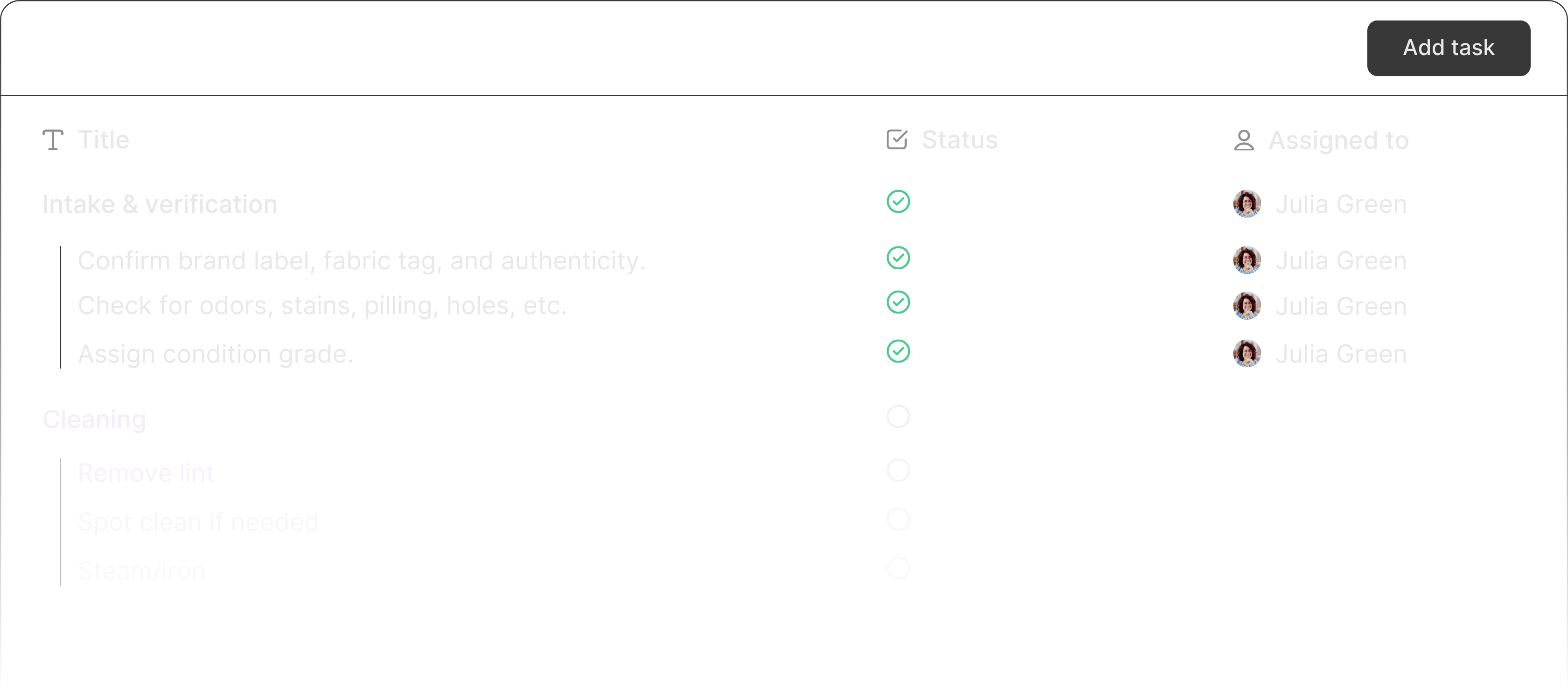
Inspect and grade consistently
Define inspection criteria for used golf clubs, document condition and required records per unit, and assign review steps across your team for consistent grading.
List fast
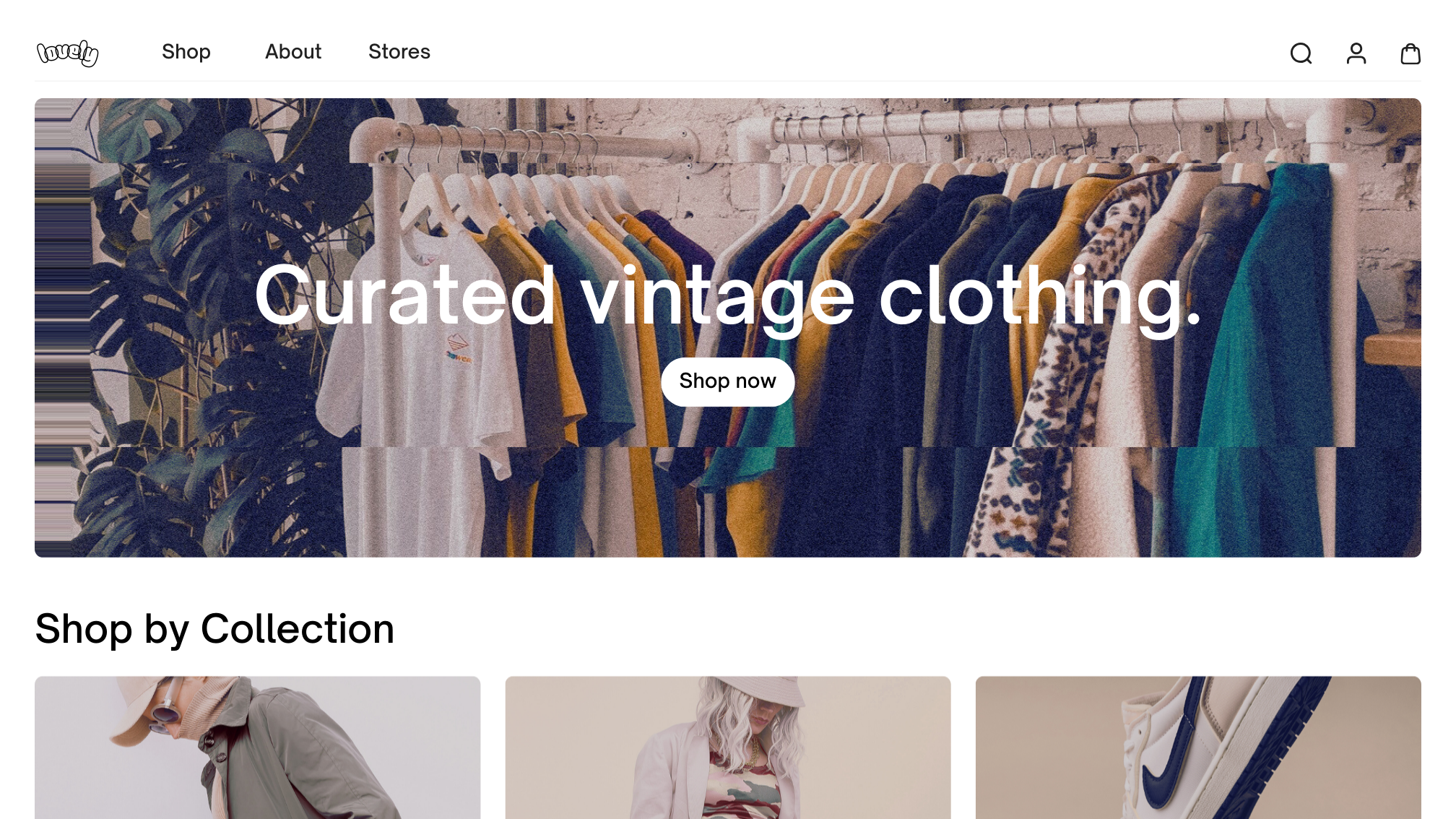
Sell across every channel
Whether you sell through your own eCommerce site, a pro shop network, fitting studios, or marketplaces, TWICE keeps every one-off club synced across channels. Avoid double-selling, keep prices aligned, and see the full performance of your used golf club program in one place.
Selling used golf clubs is good business. Doing it with TWICE is even better.
From independent resellers to big-box retailers and golf brands, TWICE gives every team the tools to operate professional-grade used golf club programs at scale.
Independent resellers
Replace spreadsheets and scattered tools with one easy-to-use system that helps you organize used golf club inventory and cross-list items quickly across the sports resale channels that matter.
Local pro shops
Streamline intake, pricing, and listing work while expanding from a physical store to online channels, and stand out by offering a more transparent and reliable buying experience.
Outlet & clearance centers
Turn product returns and excess inventory into revenue by streamlining intake, pricing, and multi-channel selling across physical outlets and online clearance channels.
Brands and retailers
Launch and own a branded golf club recommerce program that strengthens customer relationships, supports sustainability goals, and creates a scalable new revenue stream from pre-owned gear.
Frequently asked questions
How does TWICE handle unique specs for individual golf clubs?
Every club is tracked as a unique item in TWICE. You can record detailed specs like brand, model, loft, lie, shaft type and flex, length, hand, swing weight, and grip condition, along with photos and grading notes. This data flows automatically into product pages and reporting, so you always know exactly what is in stock and how it’s configured.
Can TWICE support in-store trade-ins and online buyback programs for golf clubs?
Yes. TWICE is built for multiple intake models. You can run in-store trade-ins where value is paid out as credit, direct buybacks where you purchase clubs outright, consignment agreements for high-end sets, or bulk intake from partners. All of these workflows live in the same system with clear cost and margin tracking.
How does TWICE help standardize condition grading for used golf clubs?
You can define grading criteria and condition scales tailored to club types — for example, face wear, sole wear, groove sharpness, shaft wear, and grip state. Staff follow guided forms with dynamic fields and photo prompts, so grading stays consistent across locations and over time. That leads to fewer returns and more trust from buyers.
Can TWICE connect our used golf club inventory across stores, fitting centers, and our website?
Yes. TWICE centralizes inventory across all locations and online channels. Each sale updates stock in real time, preventing double-selling of one-off clubs. You can see which clubs are in which store, warehouse, or fitting center, and decide how and where they are listed or reserved for customers.
How does pricing work for pre-owned golf clubs in TWICE?
TWICE lets you create pricing rules by brand, model family, age, condition, and demand. You can set baseline values for trade-ins, apply automatic markdowns for older models, and define minimum margins per category. Staff can still override prices when needed, but the system ensures your pricing stays consistent and profitable at scale.