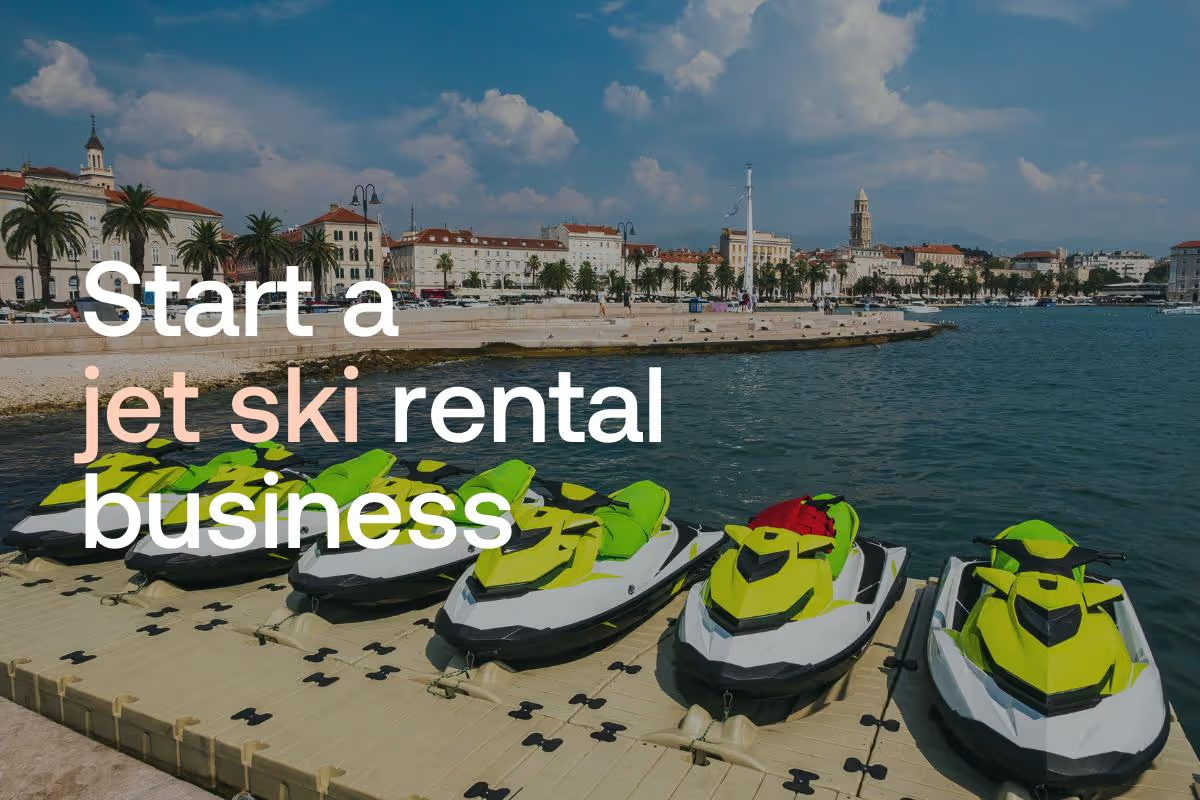

If you've ever dreamed of turning your passion for jet skiing into a profitable business venture, you're in the right place. The thought of diving into a new venture can be as thrilling as it is daunting but fear not. This guide equips you with the knowledge and insights to navigate these waters confidently.
The jet ski rental industry can be exhilarating and rewarding, offering a unique blend of excitement, freedom, and the joy of providing memorable customer experiences. However, like any other business, it comes with its own challenges. From understanding the market and crafting a business plan to overcoming the hurdles of sourcing equipment and finding a prime location, launching a jet ski rental business is no small feat.
Yet, the prospect of solving these challenges is part of the allure. Every business owner faces hurdles, and it is in tackling these obstacles head-on that one truly begins to embody the entrepreneurial spirit. We're here to guide you through this process step by step. By the end of this article, we hope to leave you with a clear understanding of what it takes to start and grow a successful jet ski rental business.
So, without further ado, let's dive in and explore the world of jet ski rental businesses together!
A plan is what turns your rental business idea into an actual business. From researching the market to defining your value proposition and projecting finances, your business plan gives a comprehensive view of your future business and the environment where it will operate.
You should never skip sitting down and writing a business and financial plan when starting a new business or even opening up a new branch. It will save you from so much trouble in the long run when you have plans and scenarios written out in advance. Furthermore, you'll need a business plan to seek external funding.
To establish a successful jet ski rental business, the first step is to conduct comprehensive market research. Understanding your market is critical because it helps you gauge the demand for your services, identify your target customers, and understand your competition.
To begin with, you need to identify your potential customers. Are they tourists or locals? Do they represent the younger or older generation? What's their income level, and what are they willing to pay for a jet ski rental? Knowing your customers will help you tailor your services to meet their needs and develop your pricing strategy.
Next, you must evaluate the competition. How many other jet ski rental businesses are operating in your area? What services do they offer, and at what price points? Analyzing your competitors helps you identify gaps in the market that your business can fill and enables you to position your business effectively.
Also, it's crucial to understand that seasonal trends can heavily affect a jet ski rental business. The demand for jet skis will likely be higher during warmer months and drop during colder periods, directly impacting your revenue. Your business plan and cash flow projections should include this seasonal variability.
In conclusion, market research lays a solid foundation for your business. It enables you to make informed decisions about your business strategy and gives you a clearer picture of the opportunities and challenges ahead.
Armed with a solid understanding of your market, the next step in launching a jet ski rental business is to develop a robust business plan. This critical document outlines your business strategy and serves as a roadmap for your venture.
Your business plan should start with your value proposition. This straightforward statement explains why customers should choose your jet ski rental service over others. Perhaps you'll offer more flexible rental periods, lower prices, better jet skis, or superior customer service. Whatever your unique selling points are, make sure to articulate them clearly.
Next, detail your business model. In all simplicity, the business model defines how you will make money. Will you only rent jet skis or also offer additional services like guided tours, lessons, or other services? What will your pricing strategy be? These details are crucial for understanding how your business will operate and generate revenue.
Your business plan should also provide detailed financial projections. This section should outline your expected startup costs (including purchasing or leasing jet skis, obtaining necessary permits and insurance, and setting up your rental location) and ongoing operational expenses. It should also include revenue projections based on your market research, service offerings, and pricing strategy.
Finally, the business plan should discuss your marketing and growth strategies. How will you attract and retain customers? How do you plan to expand your business over time? These are key considerations that potential investors and stakeholders will want to understand.
In essence, your business plan is your strategic guide. It should provide a comprehensive overview of your business and its path forward. It's also a living document that should be updated and refined as your business grows and evolves.
Before you can start renting out jet skis, you need to handle a few administrative tasks.
The business name is crucial to your company's identity, so don't hesitate to get creative. Just remember, the name should also give potential customers a clear idea of what your business does. Before deciding on the name, ensuring it is available and the website domain is free is important.
To operate legally, you need to decide on the business structure. You should consult with a legal professional or accountant to determine the best option for your specific needs, but here are the most common options:
You'll need to register your business for tax purposes. This usually involves federal, state, and sales taxes. To register, contact the IRS and obtain an Employer Identification Number (EIN). If you're starting a jet ski rental business outside the U.S., consult your local authorities for guidance.
Setting up a dedicated business bank account greatly benefits your jet ski rental business. It allows you to access a company credit card and build credit for your business. Moreover, having a separate bank account for your business and personal funds makes it much easier to manage your cash flow and prepare your tax returns.
Operating a jet ski rental business involves complying with several legal and regulatory requirements. Sorting out all the legal requirements can be exhausting, but it's critical to running a successful and responsible business.
Obtaining the appropriate business license and permits is mandatory for all new businesses. The specifics can vary greatly depending on your location and industry, so it's important to consult with a local business advisor or municipal government to understand what's required.
As a jet ski rental business, you will need the generic permits and licenses associated with starting and doing business. Companies providing consumer services often have to obtain specific health and safety licenses. In addition, states and municipalities may have licensing requirements for businesses regarding land and water use for business activities.
But as said, we recommend asking your local business advisor.
Understanding liability and risk management is another crucial aspect. Because jet skiing can be risky, you must protect your business and customers with sufficient insurance coverage.
The specifics of what's required can vary, so consulting with a professional insurance agent is advisable.
Jet ski rentals typically involve having customers sign a waiver before they rent a jet ski, which releases your business from liability in the event of an accident.
Moreover, all rental agreements should be formalized in a contract. This contract should clearly state the terms and conditions of the rental, including the rental period, price, and any other important details.
While these legal and regulatory considerations may seem daunting, remember that they are in place to protect you, your business, and your customers. Ensuring you're compliant reduces your risk and contributes to your reputation as a responsible and trustworthy business. Working with a lawyer to draft these documents is recommended to ensure their legal adherence.
In the jet ski rental business, coastal location plays a key role. Finding the right place for your premises can significantly impact your business's visibility, customer accessibility, and profitability.
When selecting a location, consider the following factors:
Choosing the right location for your jet ski rental business is a crucial step that can set the stage for your business's success. It's worth taking the time to research and visit several potential locations before deciding.
Once you've addressed legal and regulatory requirements, it's time to acquire the jet skis and equipment necessary to run your business. Careful consideration should be given to these items' quality, safety, and cost.
When sourcing jet skis, you have two primary options: buying or leasing. Buying your jet skis offers the advantage of full ownership, allowing you to maintain and modify them as you see fit. However, this option requires a significant upfront investment. On the other hand, leasing can be more cost-effective in the short term but may include restrictions on maintenance and modifications. Weigh the pros and cons of each option before making a decision.
Apart from jet skis, you'll need to invest in safety and maintenance equipment. This includes life jackets, fire extinguishers, first aid kits, trailers, and tools for regular maintenance and repairs. Ensuring that your jet skis are well-maintained and equipped with the necessary safety gear is critical for providing your customers with a safe and enjoyable experience.
When selecting a supplier for jet skis and equipment, in addition to the cost, pay attention to the warranty and after-sales services. Research multiple suppliers to ensure you get the best possible deal and quality. Investing in reliable jet skis and high-quality equipment can save you money in the long run by reducing the need for frequent repairs and replacements.
Inventory management is crucial for all rental businesses, including a jet ski rental operation. But before purchasing any equipment and getting into inventory management, you must plan how and where to store them. Ready-to-use jet skis need dock places for the season, but you will also need a storage facility and trailers to store jet skis that have been lifted out of the water for maintenance, for example.
Once the storage space issues are resolved, you can move on to inventory preparation. Inventory preparation includes planning what and how much you need to buy, documenting your purchases, and setting up an inventory management system. These essential steps enable accurate tracking, maintenance scheduling, and stock optimization.
An invaluable tool at your disposal is inventory management software. It can monitor each unit in real time, reducing the risk of errors, enhancing accuracy, and improving overall efficiency. With software like Twice, you can also store information and usage records of each individual item in your inventory.
Careful preparation of the processes and systems involved in inventory management will allow you to conduct regular maintenance and inspections, which is particularly important for an activity where reliable equipment and safety are essential. Keeping a thorough record of the condition and usage history of each item can help you schedule routine maintenance checks, thereby averting unexpected downtimes.
Another thing to consider is the cyclical nature of demand for jet skis and ensuring you have sufficient inventory to cater to increased demand during peak seasons and flexibility to cut down during the off-season. Regular review and adjustment of inventory levels allow you to adjust your inventory accordingly, helping you avoid oversupply and shortage situations.
A well-organized inventory comes with numerous benefits. It enhances efficiency by streamlining jet skis' hand-out and return processes, leading to increased customer satisfaction and turnover. It also simplifies maintenance and repair management, as tracking the condition of each jet ski becomes much more accessible. This ensures all your equipment stays in optimal shape and helps you control excess inventory costs, including storage costs, depreciation, and the risk of obsolescence. Thus, having a well-organized inventory system is essential to the financial health of your jet ski rental business.
We have written another blog you might want to check out, where we cover the best practices of rental inventory management in more detail.
Having pinpointed your prospective customers when conducting your market analysis, you should have the necessary information to create detailed customer personas. These personas will enable you to optimize your communication strategies, promotional content, and channels to the preferences of your intended audience.
Building a strong, recognizable brand is vital in any business, particularly in the hospitality and entertainment industry. Your brand is more than just a logo or a name; it's the entire experience your customers have with your jet ski rental business. A well-crafted brand can generate trust, create a loyal customer base, and differentiate you from competitors.
Key elements of the brand building include:
Besides building a brand, which takes time, you must acquire customers today. A jet ski rental company can create a cost-effective marketing machine by creatively combining online and offline marketing strategies.
In today's digital age, having a user-friendly website for your rental business is critical. It's often the first point of contact a potential customer has with your business, and a well-designed website can significantly drive sales.
Your website should be visually attractive and appealingly present your products and services. Great images are often the best way to convey the spirit of your products to the customers. Add compelling and comprehensive product descriptions, and your customers should have no trouble booking their next adventure autonomously. Moreover, your website should be easy to navigate and provide all the necessary information about your business and services, including prices, location, and contact details.
Furthermore, the website should offer an excellent user experience. This means easy booking procedures, clear and concise information, fast load times, and quick responses to inquiries. A positive online experience makes it easier for customers to book your services and creates a good impression of your business, leading to better conversion rates.
The success of your jet ski rental business largely depends on the smoothness of your operations and the quality of your customer service. If you have carefully planned the points outlined in the previous sections, you have an excellent foundation and there is no doubt that the operational side will run smoothly. Below we delve into the critical components of each.
Daily operations in a jet ski rental business involve many tasks, including equipment maintenance, booking management, and weather monitoring. Here are some key considerations:
Streamlined booking process: In addition to making it easy for customers to book your services, whether it's through your website, over the phone, or in person, you should also think about the booking process from an internal perspective. What are the steps when you get a new booking? How do you manage the scheduling and ensure jet ski availability? How do you keep track of upcoming bookings and related tasks? All this can be automated with good software. A simple and efficient booking process can enhance the customer experience and save you a lot of time.
Adaptability to weather and water conditions: Since your business relies on outdoor activities, it's essential to be adaptable and prepared for various weather and water conditions. Have contingency plans for when conditions aren't suitable for jet skiing, such as offering alternative activities or flexible rescheduling options.
Staff training: Hire knowledgeable and friendly staff who are passionate about water sports and can provide excellent customer service. It would be best to proactively train your staff in all aspects of the business, from equipment maintenance to customer interactions, so they can confidently and competently handle different situations.
Put safety first: Always prioritize the safety of your customers. Ensure all equipment is well-maintained, and provide thorough safety briefings before each rental. This includes explaining how to operate the jet ski, outlining local regulations and boundaries, and offering tips for safe riding.
Customer experience starts from a customer's first interaction with your business. Maintain open lines of communication with your customers before and after their rental experience. This can include sending booking confirmations, providing weather and water conditions updates, and soliciting feedback after the rental.
If you do your job well, most of the feedback you get is positive. However, part of the business is negative feedback. Dealing with customer complaints and issues promptly and professionally is critical to delivering excellent customer service. Plus, it's a valuable learning opportunity.
After successfully establishing your jet ski rental business, the next step is to focus on growth and expansion. Here are some key considerations and strategies:
To know how your business is doing and where it's heading, you must define a set of Key Performance Indicators (KPIs). Some of the jet ski rental business KPIs could include the following:
In addition, different areas of your business will likely need their own set of metrics. Find more KPI examples from our other blogs.
Inventory metrics a rental business should track →
There is no one right way to seek growth. What works for one company may not work for another. But the thing is to understand that growth can be planned, and plans can be made real by breaking them down into small parts. Here are some common ways to grow a jet ski rental business and potential signals that the strategies could work in your case.
Jet ski rentals are not immune to challenges. First, the startup costs to launch a jet ski rental business are relatively high. This means that you will likely need external funding, such as a bank loan, in addition to your personal savings.
Jet skiing can also be a highly seasonal activity, which can lead to fluctuating income. To mitigate this, you may consider diversifying your services to include off-season activities. If your space and skills allow it, would there be a demand for boat storage and maintenance services in your area?
Moreover, regular use can lead to wear and tear on your jet skis. Combined with rising fuel prices, the high maintenance costs can raise the price point too high for your customers. To overcome this challenge, you must maximize your jet ski utilization by keeping your products functional through regular maintenance and optimizing your booking calendar through automated inventory control.
Starting a jet ski rental business is a great way to combine your passion for water sports and offer people thrilling experiences. Although jet ski rental is not the most accessible business to start from scratch, the industry is full of opportunities. And renting jet skis doesn't have to be your only source of income. As part of your other business activities, whether focused on tourism or harbor operations, jet ski rentals can provide a gateway to expand your existing business and bring new customers to your other services.
Book a tailored demo to see TWICE in action.