Software for resellers and sports stores to sell used tennis rackets at scale
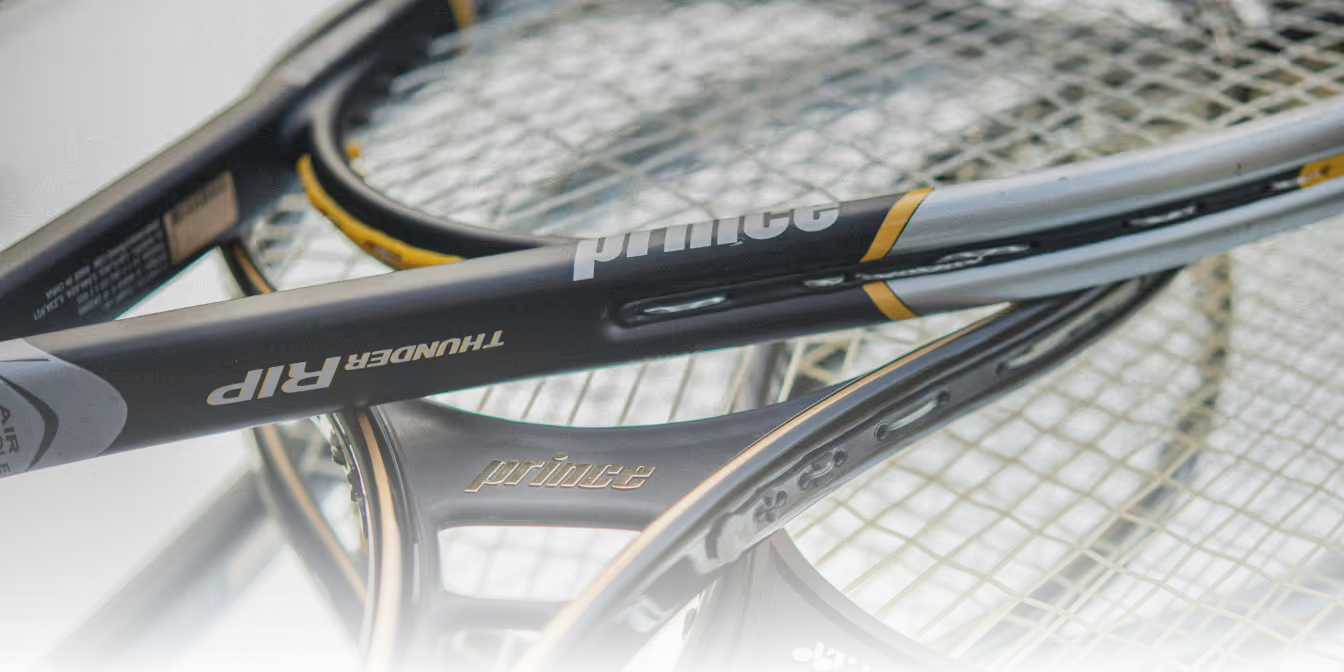
Process supply faster
Standardize trade-ins, buybacks, and consignments with fast, structured racket intake.
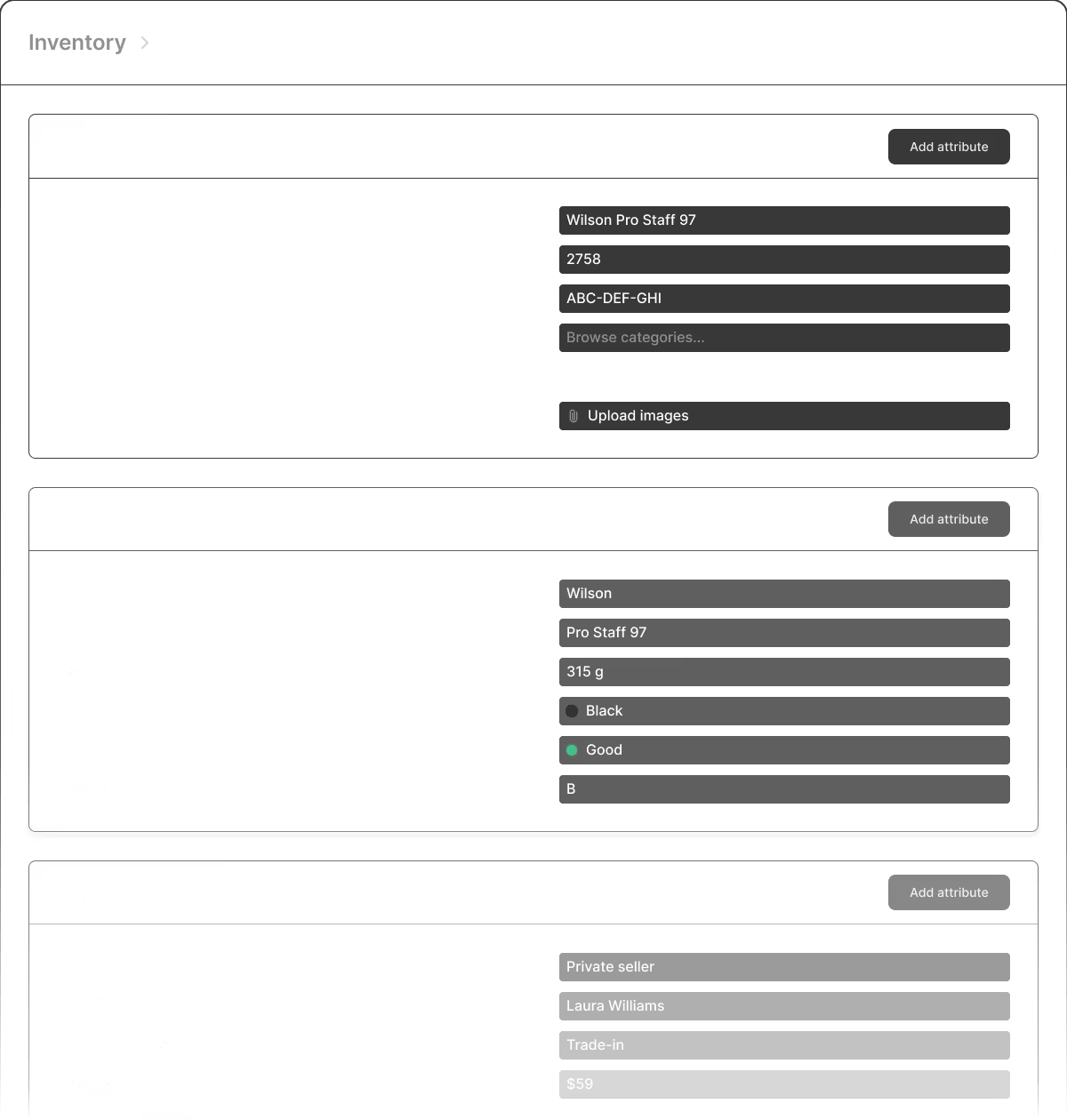
Grade items accurately
Capture grip size, balance, weight, string pattern, and condition with purpose-built attributes.
List items at scale
Turn technical intake data into clean, conversion-ready product pages in minutes.
Sell everywhere
Sync inventory across your shop, website, marketplaces, and clubs with integrated payments and order flows.
From sourcing to selling in one continuous flow.
Register resale inventory with structure
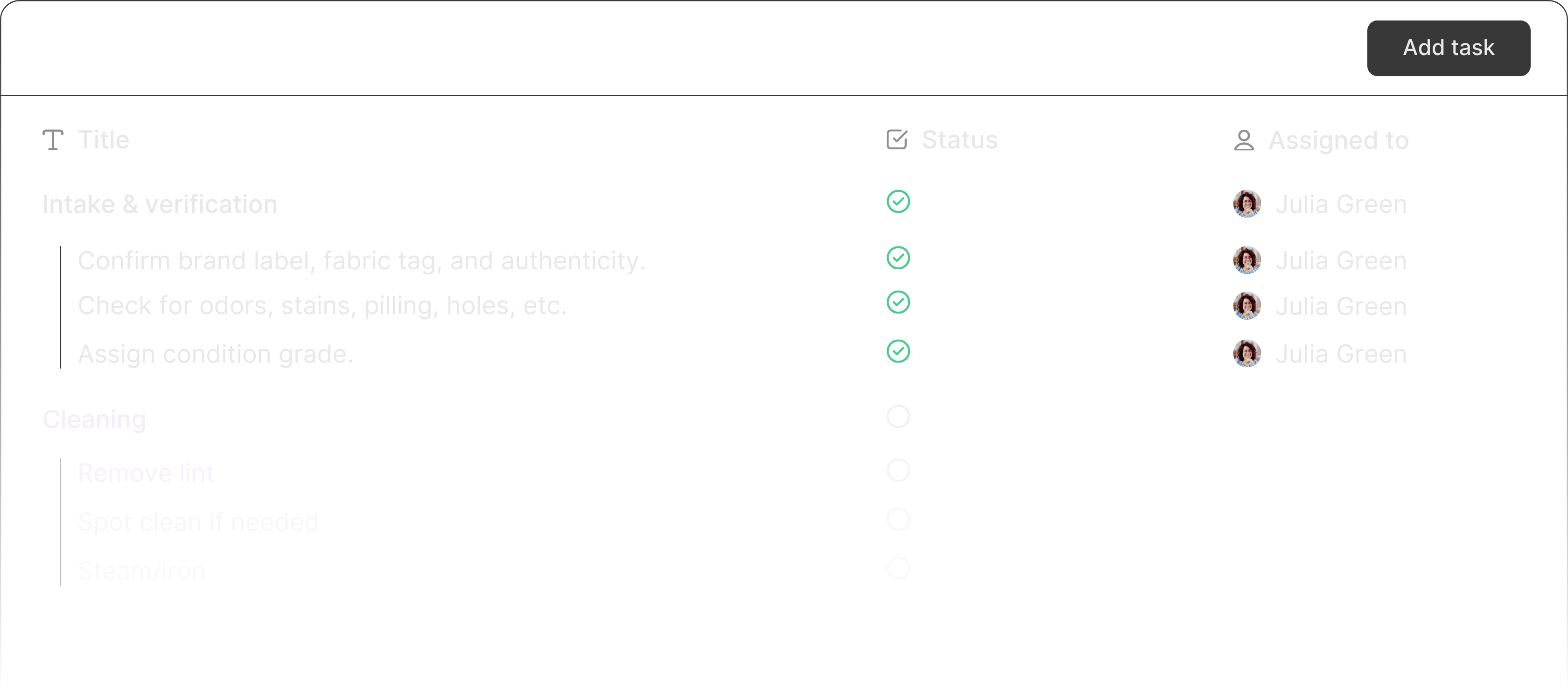
Inspect and grade consistently
Define inspection criteria for used tennis rackets, document condition and required records per unit, and assign review steps across your team for consistent grading.
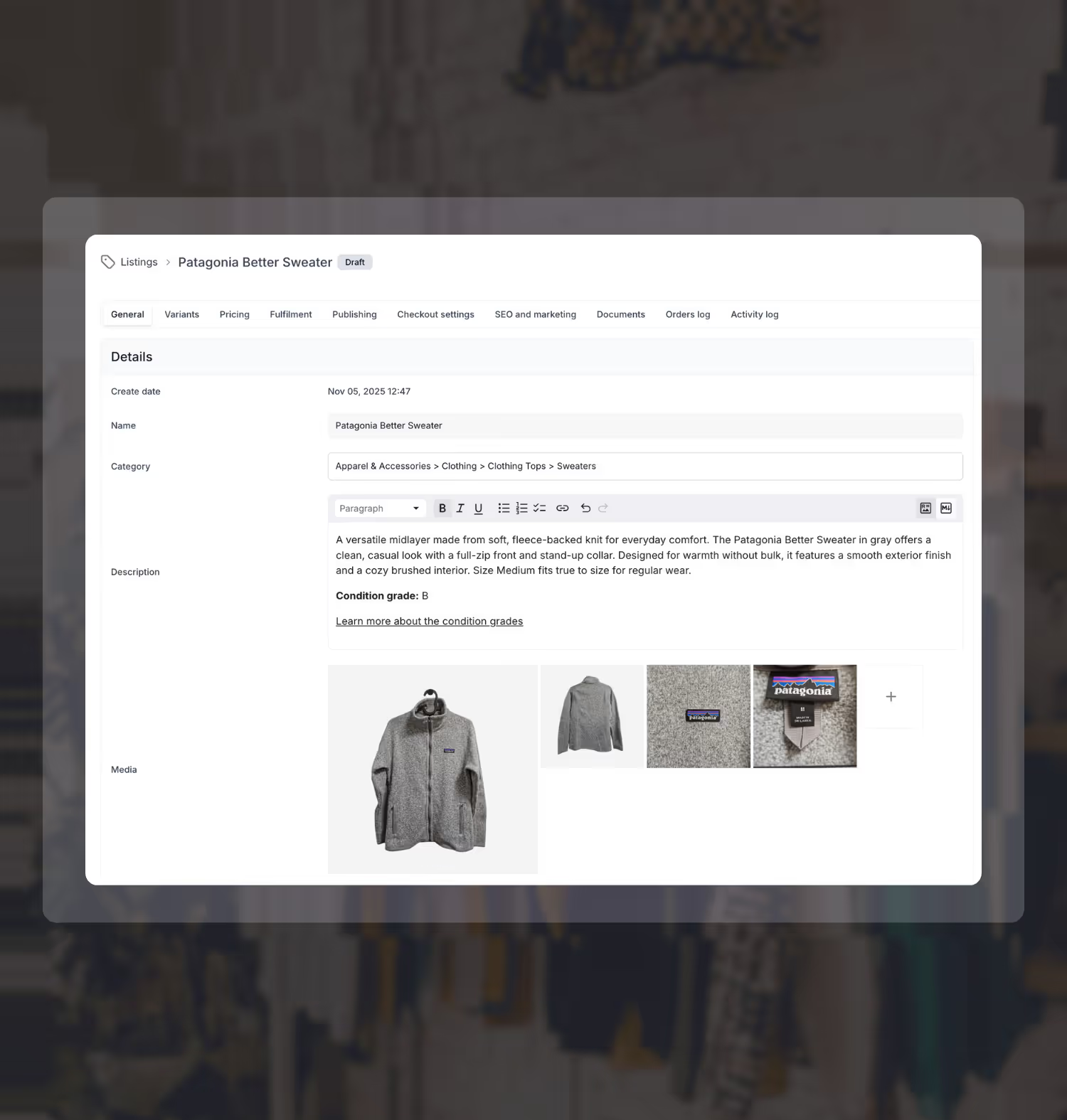
List fast
Sell across every channel
Whether your buyers visit your pro shop, website, club partners, or marketplaces, TWICE keeps every one-off racket synced in real time. Cross-list easily, avoid double-selling, and deliver consistent trade‑in and resale experiences across channels.

Selling used tennis rackets is good business. Doing it with TWICE is even better.
From independent resellers to global sports retailers and brands, TWICE supports any team running racket trade-in, buyback, or resale programs at volume.
Independent resellers
Replace spreadsheets and scattered tools with one easy-to-use system that helps you organize used tennis racket inventory and cross-list items quickly across the sports resale channels that matter.
Secondhand sports retailers
Streamline intake, pricing, and listing work while expanding from a physical store to online channels, and stand out by offering a more transparent and reliable buying experience.
Outlet & clearance centers
Turn product returns and excess inventory into revenue by streamlining intake, pricing, and multi-channel selling across physical outlets and online clearance channels.
Brands and retailers
Launch and own a branded sporting goods recommerce program that strengthens customer relationships, supports sustainability goals, and creates a scalable new revenue stream from pre-owned equipment.
Frequently asked questions
How does TWICE handle the technical details of each tennis racket?
TWICE uses single-item tracking so every racket carries its own complete data profile: brand, model, head size, weight, balance, grip size, string pattern, condition, intake source, cost, and sales history. You always know what you have, how it’s configured, and what it’s worth—without relying on manual spreadsheets.
Can TWICE support trade-ins, buybacks, and consignment for tennis rackets?
Yes. TWICE is built for multiple intake models. You can run trade-in programs that generate store credit, outright buybacks with tracked costs and margins, and consignments with configurable splits and payout cycles. All intake sources live in a single system, so racket sourcing becomes structured and scalable.
Does TWICE connect our in-store pro shop with our online resale channels?
Yes. TWICE centralizes inventory across your pro shops, warehouse, partner clubs, pop-ups, and online store. Every sale or trade-in updates stock in real time, so the same racket is never sold twice. In-store POS flows and online checkout are powered from one backend built for recommerce.
How does TWICE help with racket inspection, grading, and pricing?
TWICE lets you define standard grading criteria for tennis rackets—covering cosmetics, structural integrity, strings, and grip—so your team evaluates items the same way every time. Pricing rules can consider brand, model popularity, condition, and days in stock, helping you keep valuations consistent while maintaining healthy margins.
Can we use TWICE with our existing ecommerce site or marketplace presence?
Absolutely. You can keep your current ecommerce front-end and marketplace accounts while using TWICE as the resale engine underneath. TWICE manages racket inventory, intake, pricing, and orders, then syncs product data out to your existing site and channels via integrations or embeddable components.