Tech for selling vintage sunglasses at scale

Process supply faster
Intake pre-owned sunglasses from trade-ins, buy-backs, returns, and liquidation in one structured workflow.
Grade items accurately
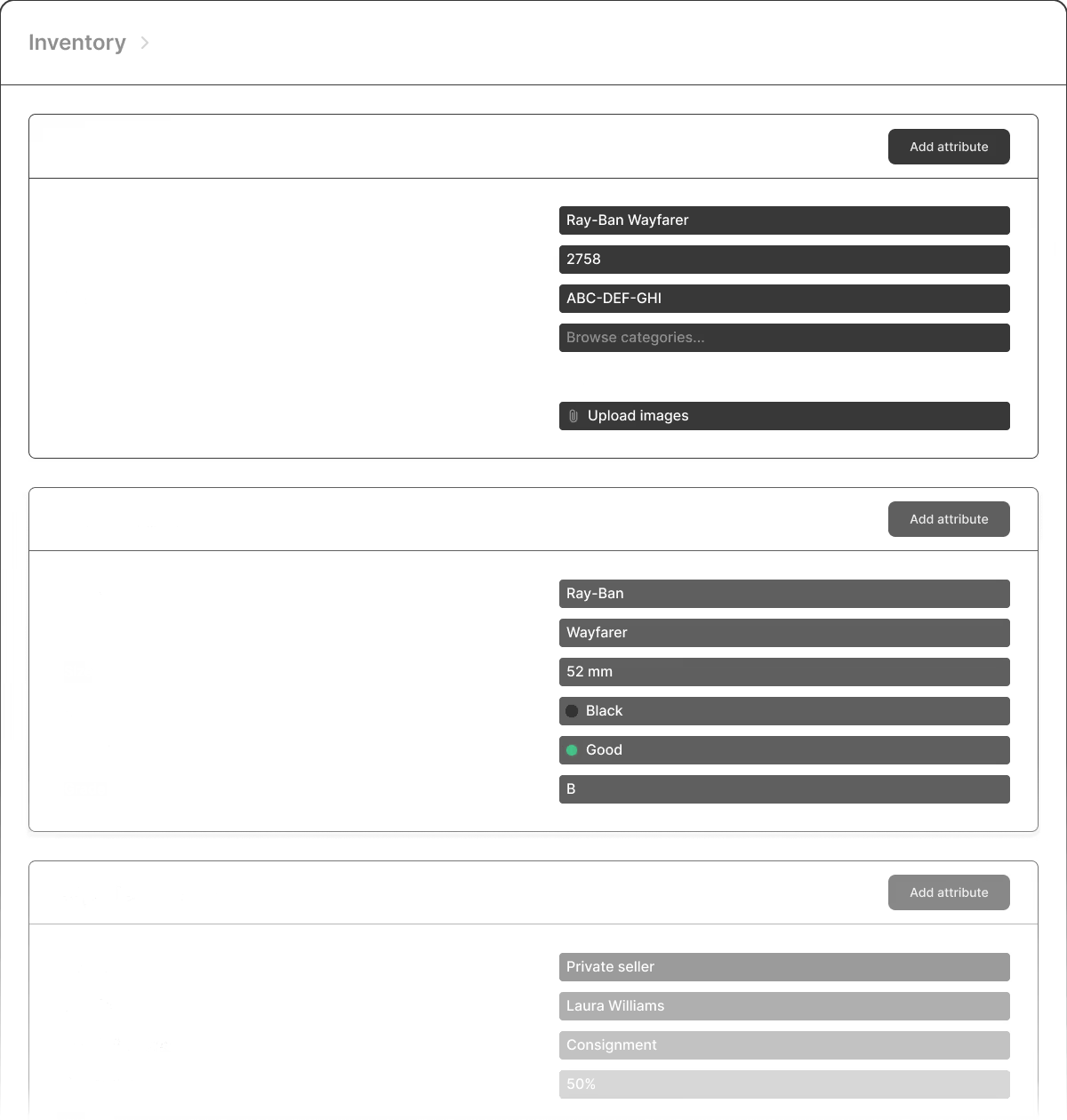
Capture the essential item details consistently with dynamic attributes and item-level media.
List items at scale
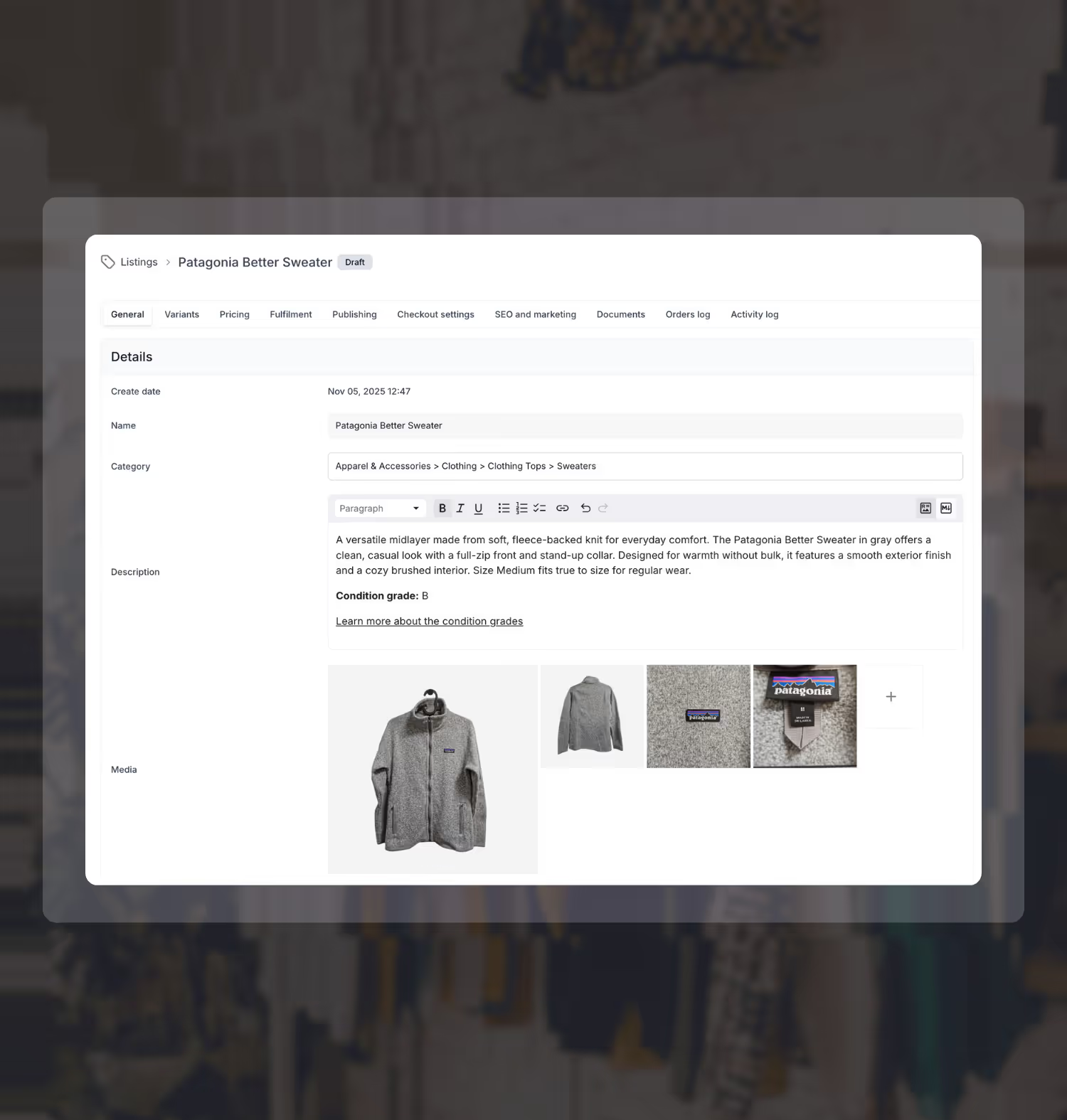
Turn product data into ready-to-sell listings with transparent specs, pricing, and media.
Sell everywhere
Cross-list listings to retail, your online store, and marketplaces with real-time sync and integrated payments.
From sourcing to selling in one continuous flow.
Register resale inventory with structure
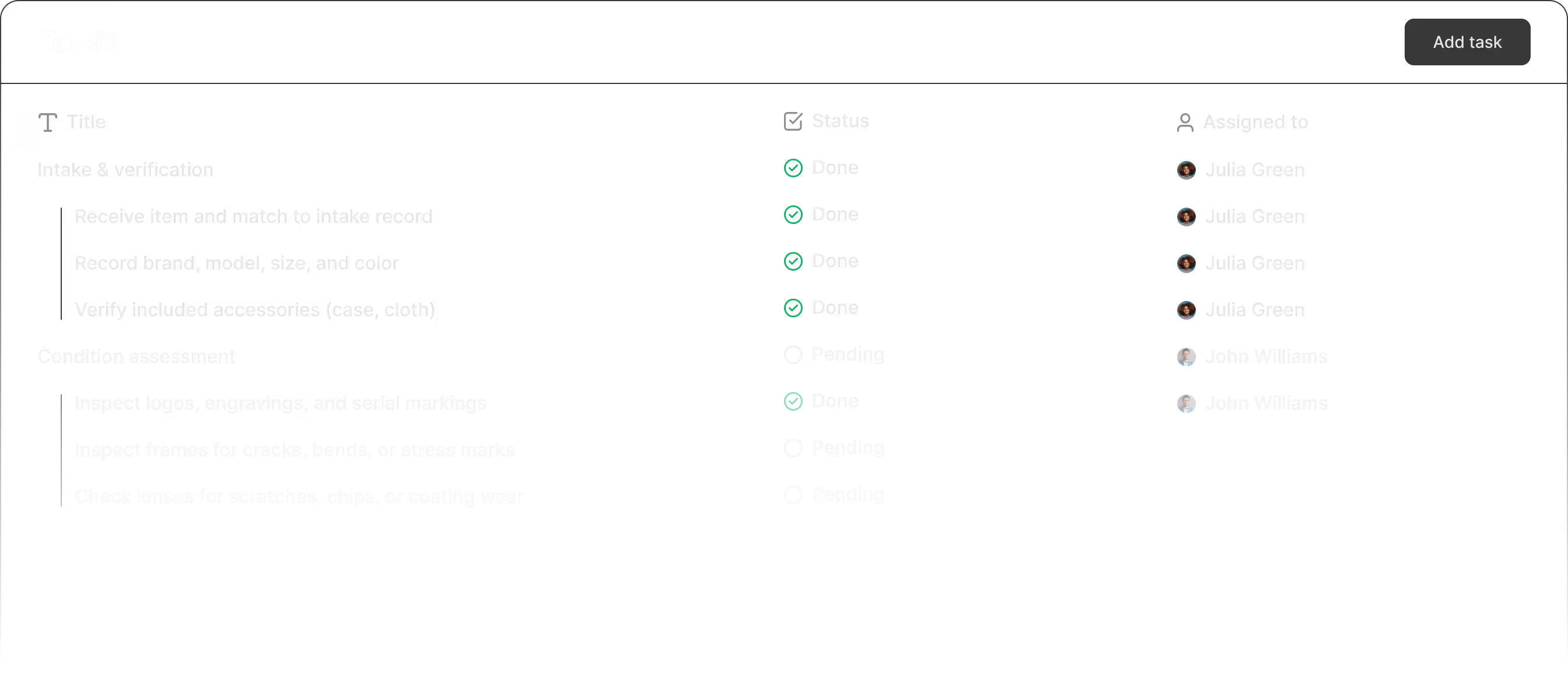
Inspect and grade consistently
Define inspection criteria for second-hand eyewear, document lens condition, frame fit, and wear per item, and assign review steps across your team for consistent grading.
List fast
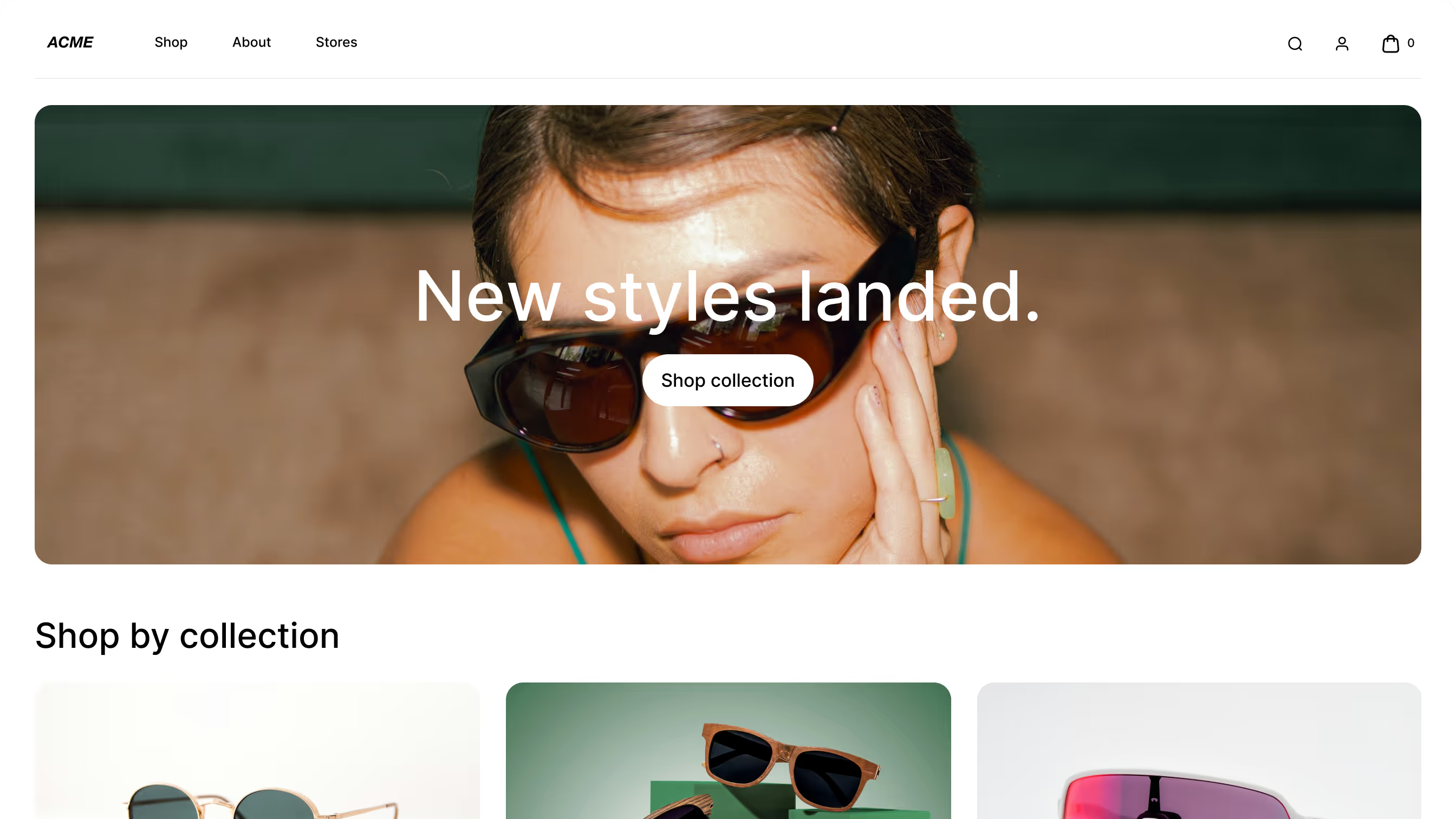
Sell across every channel
Increase reach, visibility, and sales by listing every unique item across physical locations, online stores, marketplaces, and social channels from one system, purpose-built to handle recommerce complexity without slowing down your team.
Selling vintage sunglasses is good business. Doing it with TWICE is even better.
From solo eyewear resellers to multi-location optical chains and global brands, TWICE powers used-sunglasses programs that are structured, transparent, and ready for scale.
Independent resellers
Replace spreadsheets and scattered tools with one easy-to-use system that helps you organize apparel inventory and cross-list items quickly across the fashion resale channels that matter.
Secondhand stores
Streamline intake, pricing, and listing work while expanding from a local store to online sales, and stand out by offering a smoother, more consistent shopping experience across channels.
Brands
Launch and own a branded recommerce program for sunglasses that strengthens customer relationships, protects brand value, and creates a new revenue stream from trade-ins and pre-owned eyewear.
Frequently asked questions
How does TWICE handle unique, one-of-a-kind sunglasses?
Every pair of sunglasses in TWICE is tracked as a unique item with its own record. You can store lens and frame condition, brand, model, size, intake source, costs, photos, and authentication notes. Real-time stock updates prevent double-selling, and item histories let you see where each pair came from, how it was priced, and how quickly it sold.
Can TWICE support sunglasses trade-in, buy-back, and consignment models?
Yes. TWICE is designed to handle multiple sourcing models in a single system. You can run trade-in flows that issue instant credit, buy-back programs where you purchase sunglasses outright, and consignment setups that track owner shares and payouts. All financials are tied to item records, making settlements and margin calculations straightforward.
How does TWICE support grading and authenticity for used sunglasses?
TWICE lets you define standardized grading criteria for sunglasses, including lens wear, frame condition, hinge stability, and overall grade. You can capture close-up photos, record serial numbers or model codes, attach receipts or certificates, and log internal authentication checks. This structured data flows directly into your listings, improving buyer trust and reducing returns.
Can I connect my existing eyewear website or retail system to TWICE?
Absolutely. Many businesses keep their existing e‑commerce site or POS as the customer-facing layer while using TWICE as the resale engine behind it. You can connect via integrations, embed resale components, or link to a dedicated secondhand store powered by TWICE. Inventory, orders, and item lifecycles remain centralized in one place.
What about multi-location optical stores or franchises?
TWICE centralizes used-sunglasses inventory across multiple stores, pop-ups, and warehouses. You can route trade-ins to specific processing hubs, see what’s available in each location, and reallocate high-demand brands or styles quickly. All channels pull from the same source of truth, so staff know exactly what can be sold where, and reporting rolls up at the network level.