Tech for selling used laptops at scale

Process supply faster
Streamline intake from buybacks, trade-ins, and bulk IT asset recovery with structured workflows.
Grade items accurately
Capture the essential item details consistently with dynamic attributes and item-level media.
List items at scale
Turn product data into ready-to-sell listings with transparent specs, pricing, and media.
Sell everywhere
Cross-list listings to retail, your online store, and marketplaces with real-time sync and integrated payments.
From sourcing to selling in one continuous flow.
Register resale inventory with structure
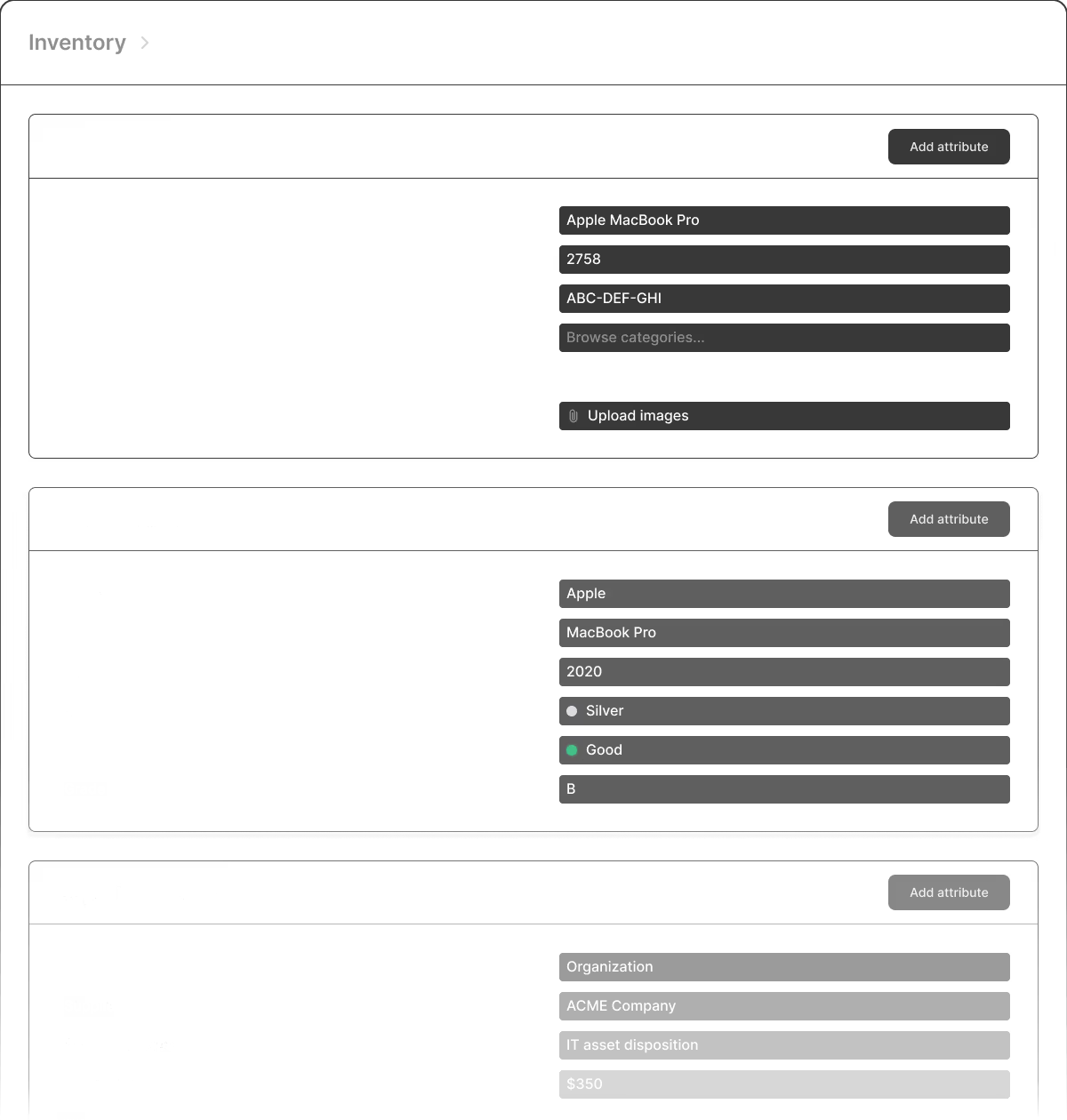
Inspect and grade consistently
Laptop grading goes beyond “used” or “refurbished”. TWICE standardizes how your team evaluates performance, cosmetics, and completeness, so every device is graded the same way and your buyers know exactly what to expect.
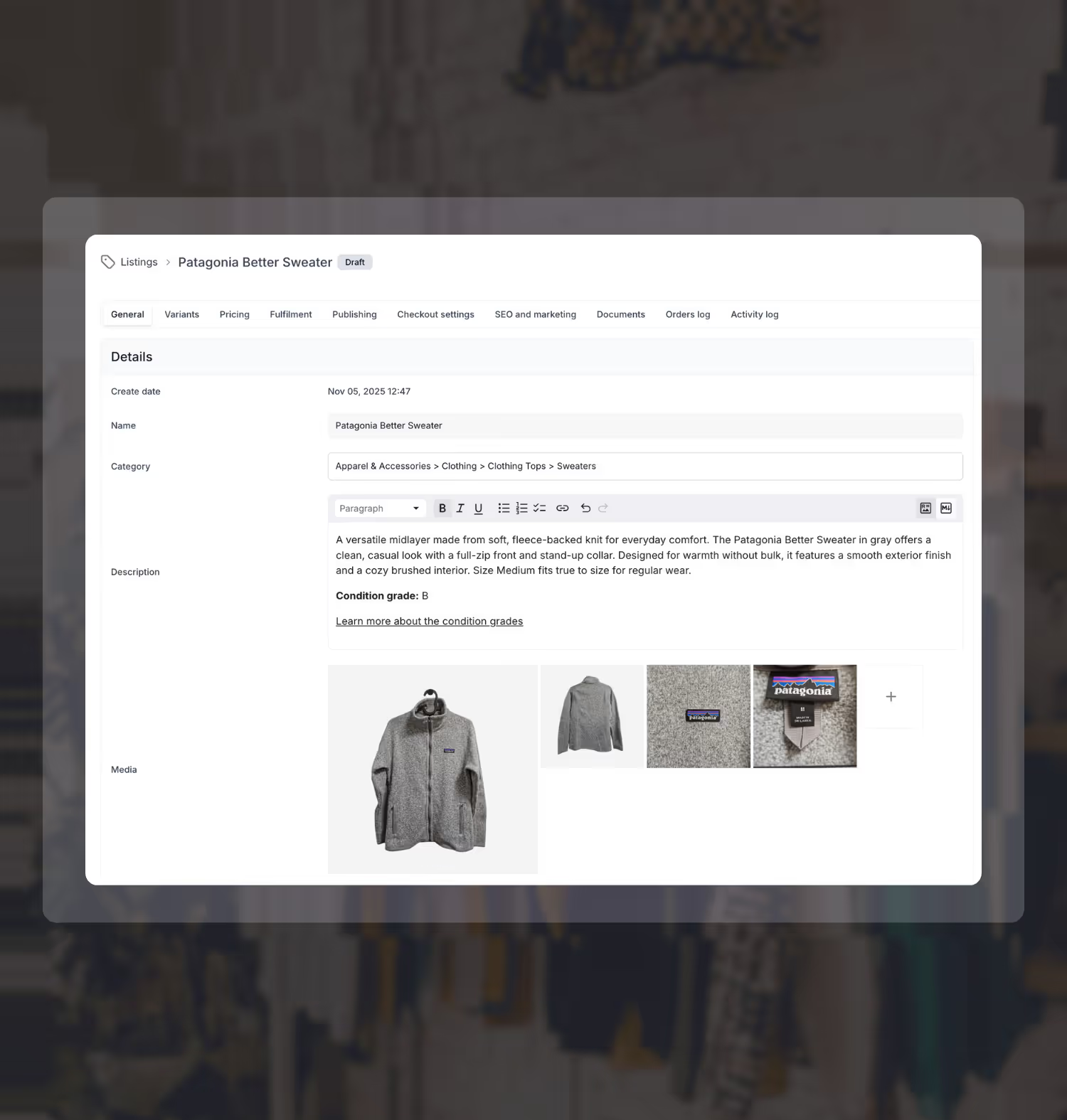
List fast
Sell across every channel
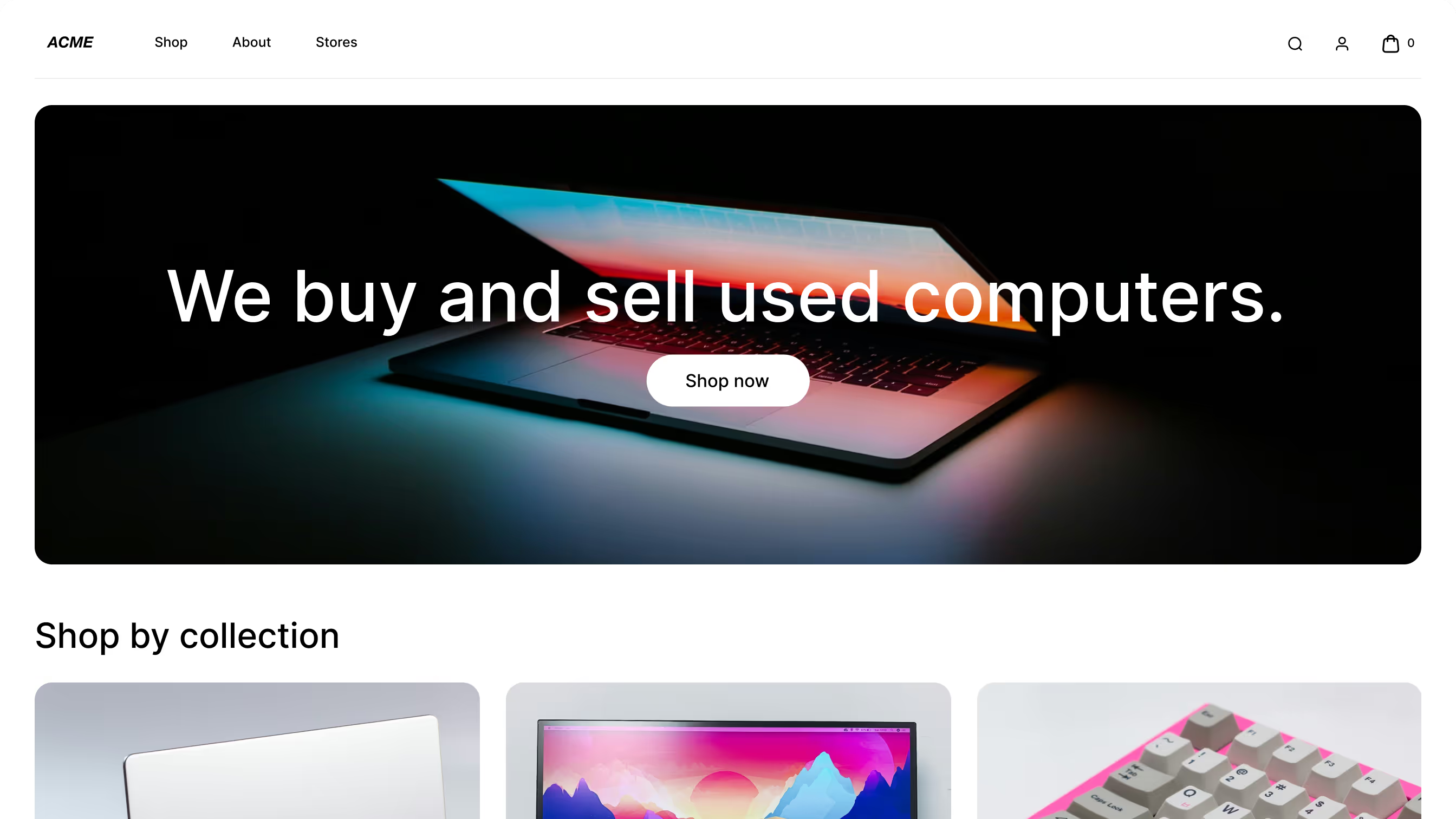
Increase reach, visibility, and sales by listing each laptop across physical locations, online stores, marketplaces, and social channels from one system built for recommerce and refurbishment.
Selling used laptops is good business. Doing it with TWICE is even better.
From solo refurbishers to enterprise trade‑in programs, TWICE powers any team buying, repairing, and reselling electronic devices.
Independent resellers
Replace spreadsheets and scattered tools with one easy-to-use system that helps you organize used device and spare part inventory and cross-list items quickly across the electronics resale channels that matter.
Used electronics stores
Streamline intake, pricing, and listing work while expanding from a local shop to online channels, and stand out by offering a more reliable and transparent buying experience.
Electronics refurbishers
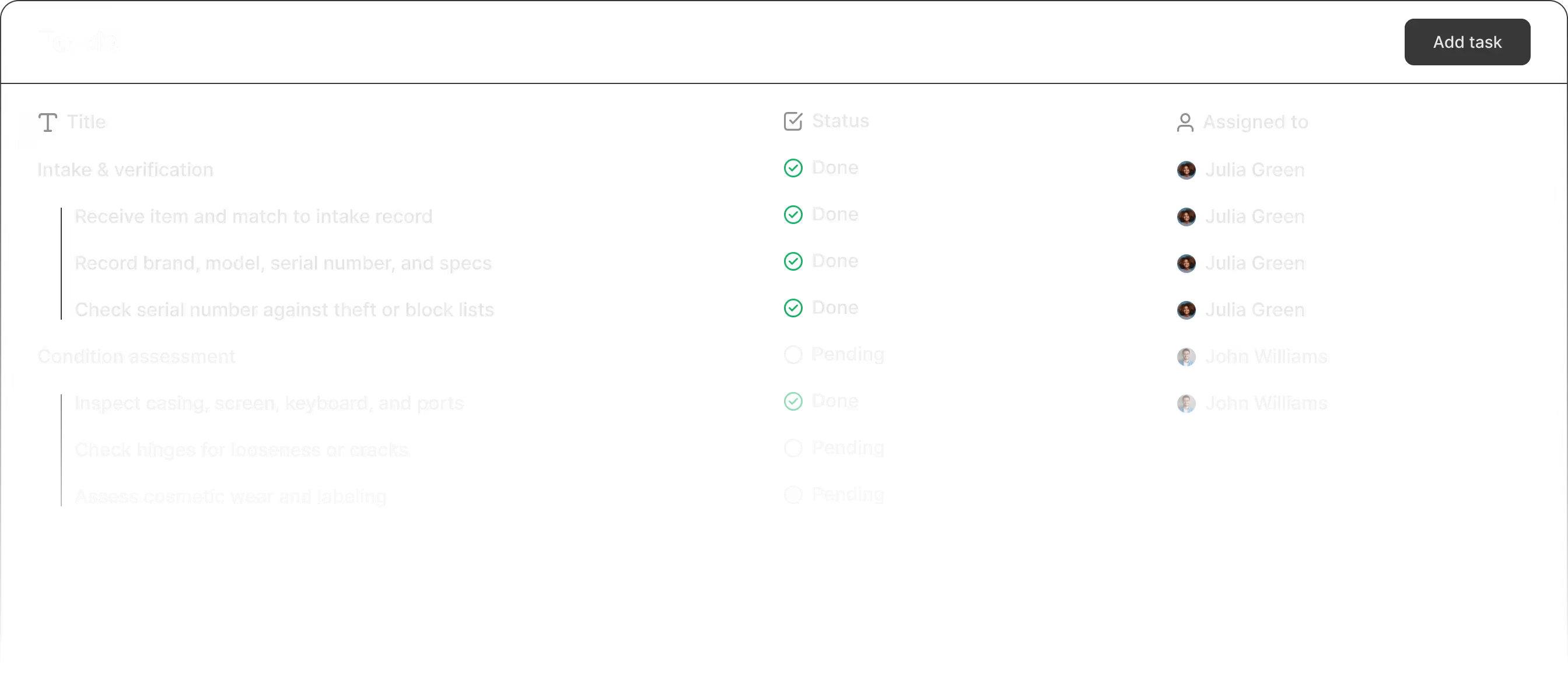
Standardize testing, grading, and documentation workflows to speed up inventory turnaround from intake to resale, while recording every step for quality control, traceability, and compliance.
Brands and retailers
Launch and own a branded electronics recommerce program that strengthens customer relationships, supports sustainability goals, and creates a scalable new revenue stream from pre-owned devices.
Frequently asked questions
How does TWICE handle unique laptop configurations and specs?
Every laptop in TWICE is tracked as an individual item with its own configuration: CPU, RAM, storage, GPU, screen size, resolution, battery health, installed OS, and more. You can define your own dynamic attributes to match your product mix, then reuse that structured data across listings and channels without retyping specs.
Can TWICE support both consumer trade-ins and corporate IT asset recovery?
Yes. TWICE is built to handle multiple intake models in one system. You can manage consumer trade-ins at stores or online, track corporate IT asset disposition projects, log purchase or settlement terms, and record payouts or credits. All sourcing flows feed into a unified inventory so you can allocate devices to the best channel.
Does TWICE integrate online sales with physical locations and service desks?
Yes. TWICE centralizes inventory across your web store, repair centers, retail shops, pop-ups, and warehouses. When a laptop sells in-store or online, stock updates in real time, preventing double-selling. You can also track devices through repair or refurbishment stages and only make them available to sell when they’re ready.
How does TWICE help with grading, pricing, and warranties for used laptops?
TWICE lets you define standardized grading criteria and warranty tiers, so your team evaluates devices consistently. You can set pricing rules by brand, model, age, condition, and demand signals, while still allowing manual adjustments for special cases. Warranty length, coverage, and notes can be attached to each laptop and shown clearly on product pages.
Can I keep my existing website and use TWICE just for the resale side?
Absolutely. Many partners use TWICE as the recommerce engine behind their current site. You can surface used laptops via embedded components, product feeds, or integrations while TWICE manages inventory, orders, device histories, and reporting in the background. Your existing site remains the front end of your brand.