
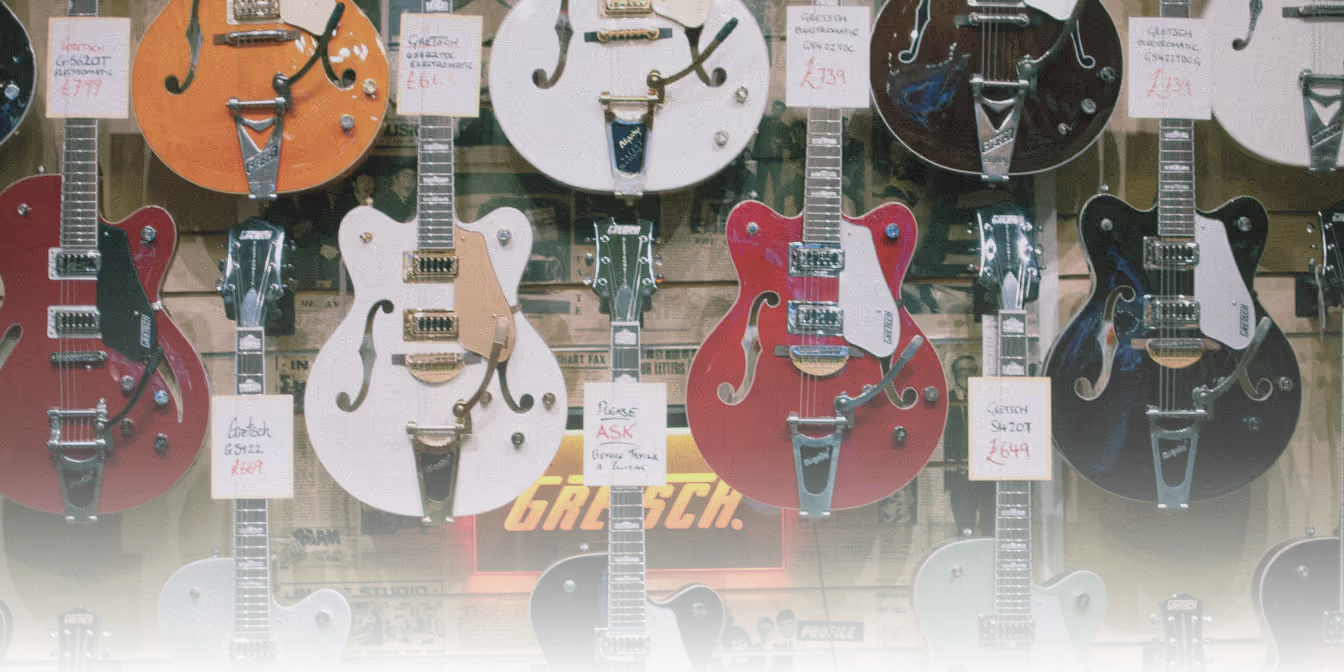
Streamline trade-ins, buybacks, consignments, and auction pickups with fast, structured intake built for guitars and related gear.
Capture specs, condition, mods, and media consistently using dynamic attributes and item-level photos, audio, and documents.
Turn detailed intake data into clean, trustworthy product pages that serious players and collectors can buy with confidence.
Sync inventory across your shop, warehouse, web store, and marketplaces so every one-off guitar is always correctly listed and available.
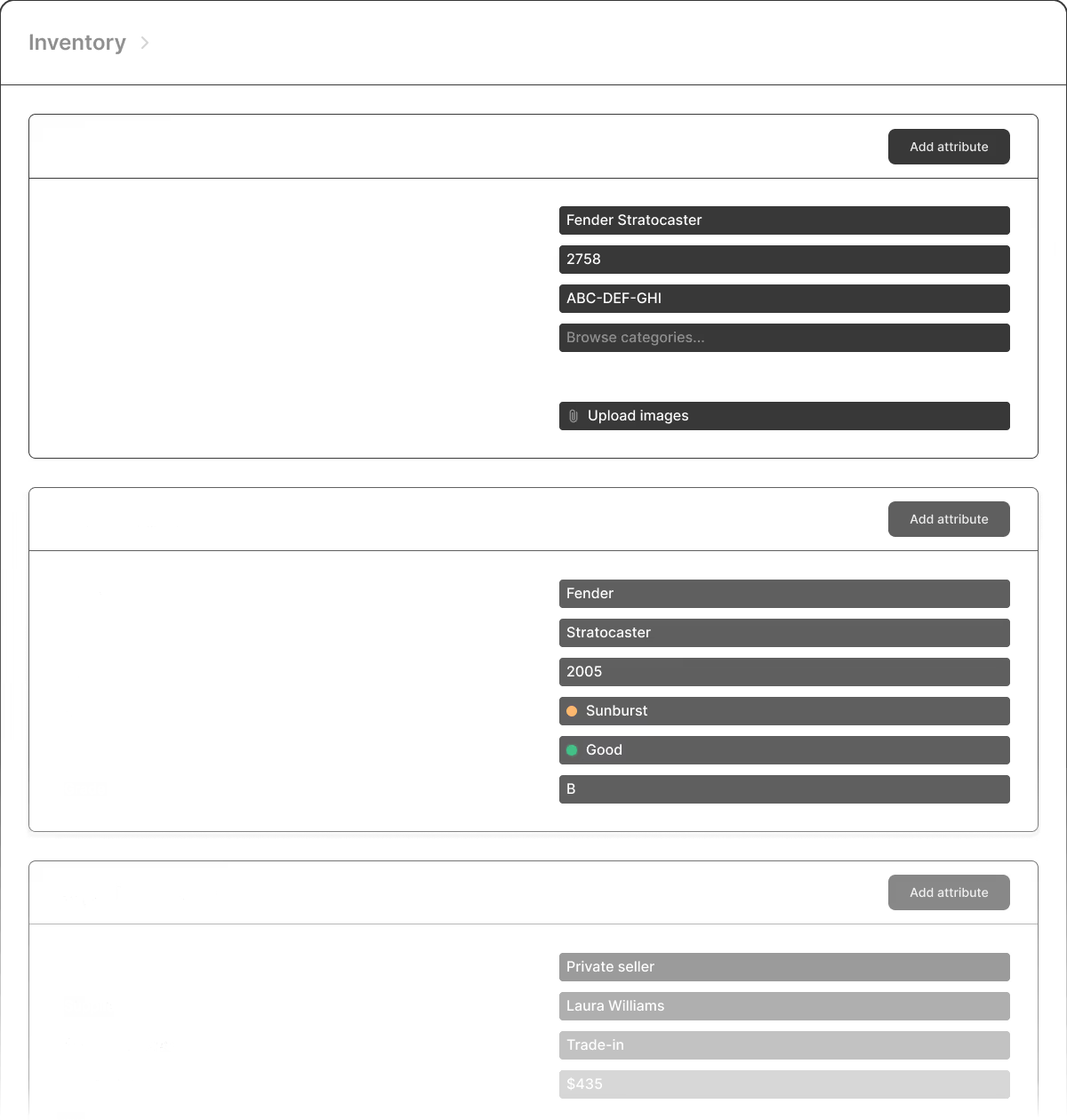
Define inspection criteria for used guitars, document condition and required records per unit, and assign review steps across your team for consistent grading.

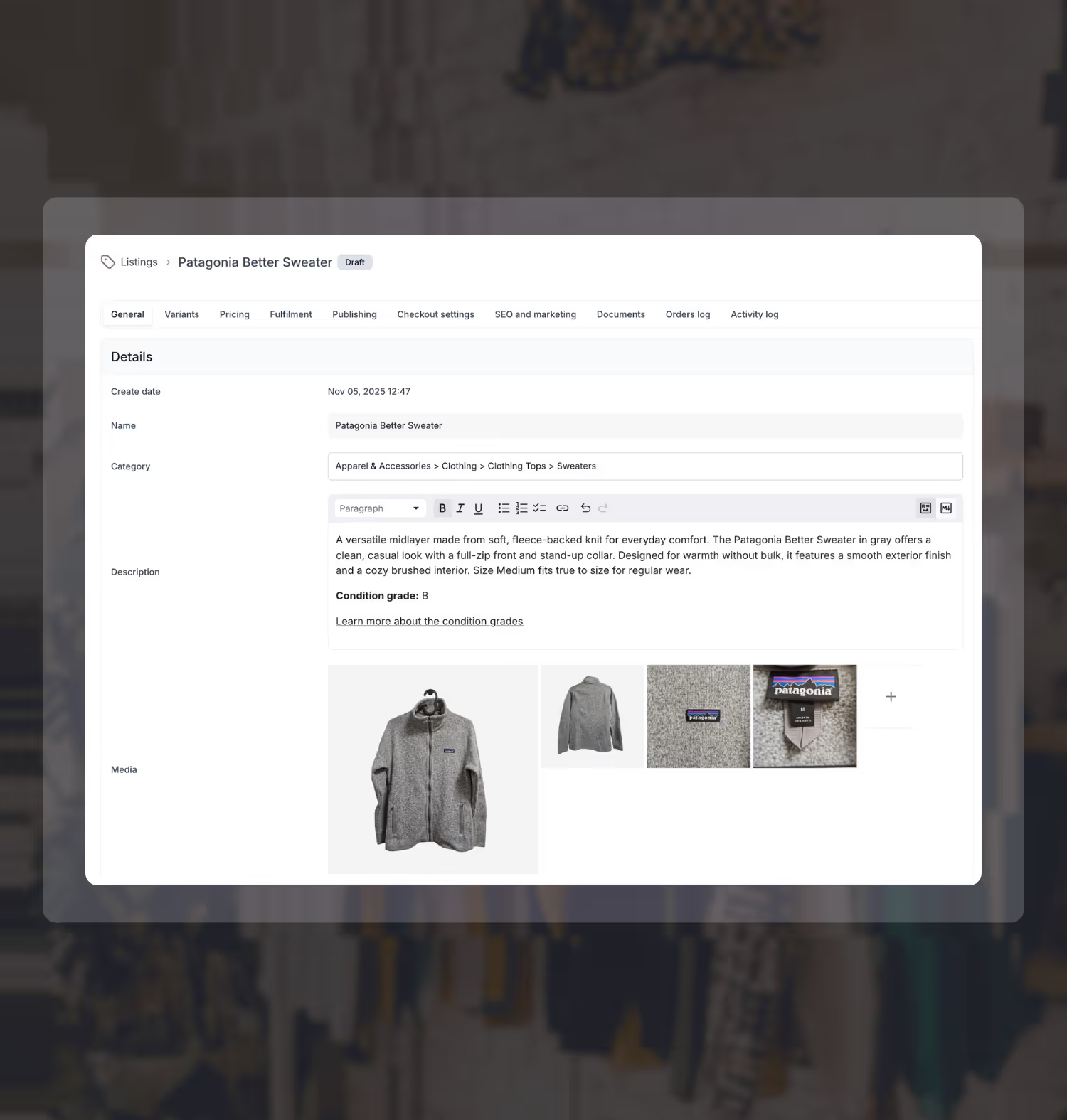
Whether you move inventory through your brick-and-mortar store, your own web shop, specialist marketplaces, or auctions, TWICE keeps every channel synced in real time. Cross-list one-off guitars without double-selling or manual reconciliation.

From solo flippers to multi-location music retailers and brands running trade-in programs, TWICE powers any operation selling used guitars at volume with tools that respect the nuances of instruments, gear, and collectors.
Replace spreadsheets and scattered tools with one easy-to-use system that helps you organize used guitars and spare part inventory and cross-list items quickly across the music resale channels that matter.
Streamline intake, pricing, and listing work while expanding from a physical store to online channels, and stand out by offering a more transparent and reliable buying experience.
Launch and own a certified guitar resale or trade-in program that extends asset lifecycles, strengthens customer relationships, and creates new revenue from pre-owned inventory.
Every guitar in TWICE is tracked as an individual item with its own data: brand, model, serial number, specs, condition, mods, intake source, cost basis, and sales history. You can see exactly where each instrument is, what state it’s in, and which channels it’s listed on — without juggling spreadsheets or manual notes.
Yes. TWICE is built to handle multiple intake models in a single system. You can track trade-in values, cash offers, and in-store credit; manage consignor agreements, splits, and settlement cycles; and record outright purchases and refurbishment costs. All these flows roll up into clear inventory, margin, and payout reporting.
Yes. TWICE centralizes your inventory across physical stores, warehouses, pop-up events, and online sales channels. When a one-off guitar sells in-store or online, stock updates instantly everywhere else, reducing the risk of double-selling and keeping your team aligned on what’s actually available.
TWICE lets you define standardized grading criteria for different instrument types, so your team records the same condition details every time. You can configure pricing rules by brand, model, year, condition, and demand, while still allowing manual overrides for rare or unusual pieces. This keeps valuations consistent, defendable, and fast to execute at the counter.
Absolutely. You can keep your existing website and use TWICE as the resale engine behind it. Connect via integrations, use embedded components, or link to a dedicated secondhand store powered by TWICE. The platform manages inventory, orders, and lifecycle tracking for your used guitars, while your current site remains the front end of your brand.
Book a tailored demo with our team.