Tech for selling used clothes at scale

Professional clothing resellers use TWICE to streamline their resale workflows from sourcing to selling.

Process supply faster

Bring in donations, consignment, liquidation, or buybacks with structured intake workflows.

Grade items accurately

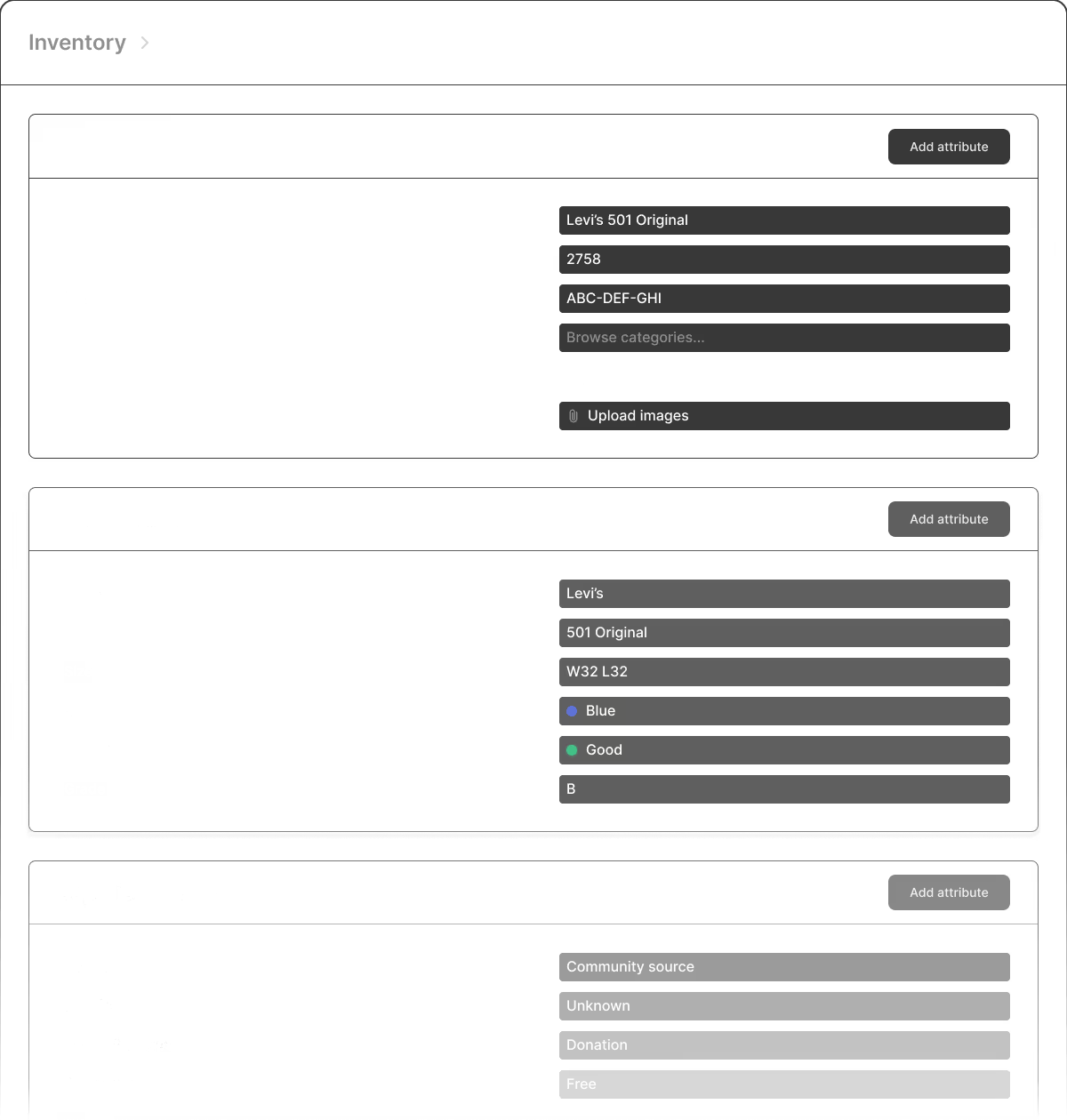
Capture measurements, condition, and details consistently using dynamic attributes and item-level media.

List items at scale

Turn product data into ready-to-sell listings with transparent specs, pricing, and media.

Sell everywhere

Cross-list to retail, your online store, and marketplaces with real-time sync and integrated payments.
From sourcing to selling in one continuous flow.

Sourcing

Register resale inventory with structure

Whether you source clothes through donations, liquidation, consignment, or buybacks, TWICE helps you keep high-volume intake fast and structured. Give each item a serialized profile and record condition, key attributes, and costs from day one.
Unique IDs
Assign each garment a unique, serialized profile the moment it enters your inventory.
Register new items quickly
Quickly add new entries and fill in all the necessary product data consistently. You can also bulk create items by uploading a CSV.
Intake templates
Create reusable templates to streamline item intake and registration for vintage clothes, tailored to your workflows.
Flexible intake models
TWICE supports intake across sourcing models, from individual purchases to consignment, trade-ins, and bulk acquisition.

Inspecting & grading

Inspect and grade consistently

Customize inspection data for secondhand clothing, attach photos per item, and coordinate team workflows to grade consistently as volumes grow.
Dynamic attributes
Log defects, wear levels, materials, and measurements with purpose-built dynamic fields.
Item-level media
Add photos and documents to each item to support inspection, grading, and trust.
Attribute presets
Create reusable attribute presets that standardize grading and reduce manual work.
Task management
Route inspection and grading tasks through clear, repeatable workflows across your team.
Listing

List fast

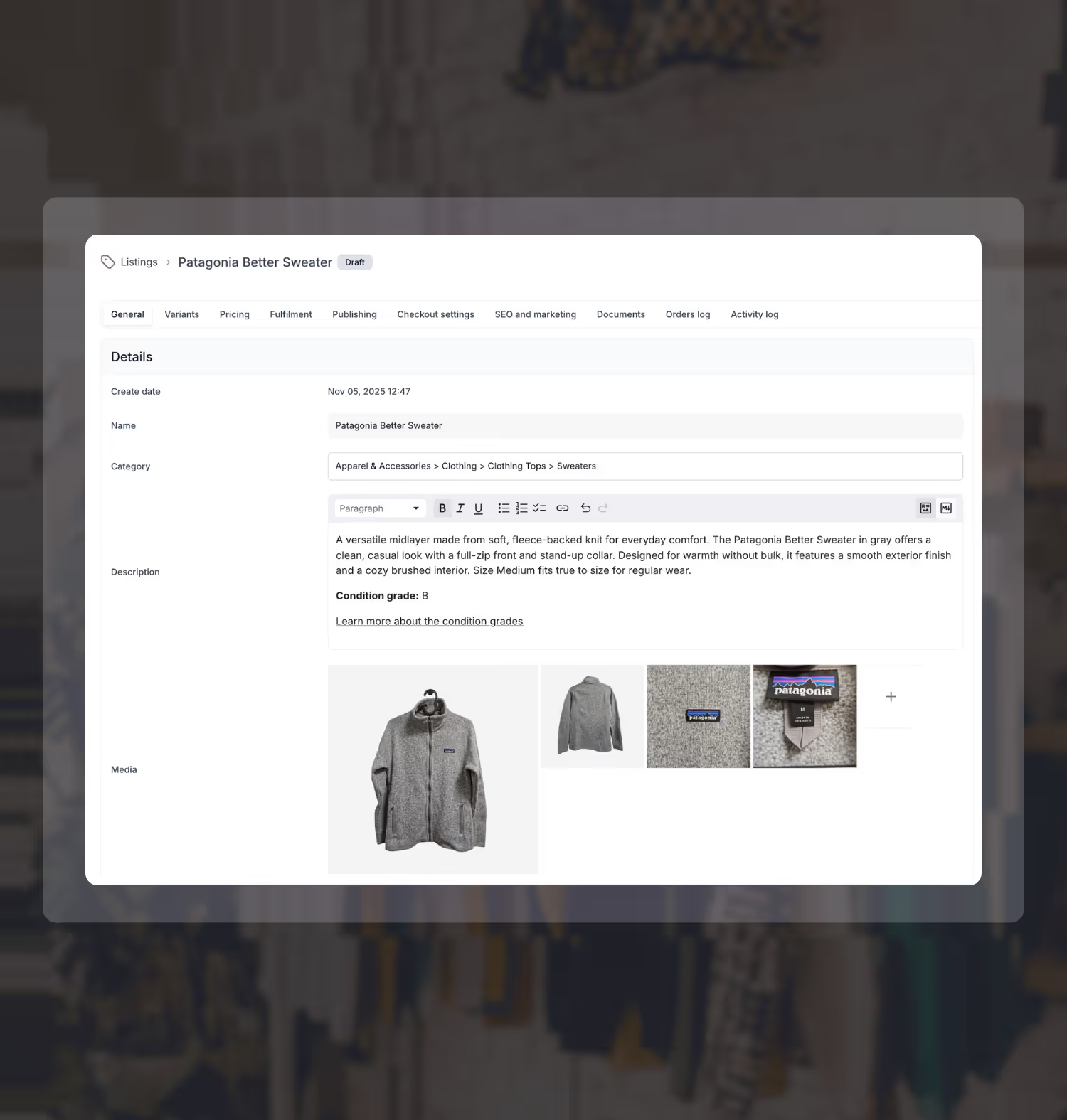
Create vintage clothing listings in seconds using structured data, flexible variants, and pricing rules based on condition and era.
Listing templates
Convert structured product data into customer-ready listings across channels with minimal effort.
Tags & collections
Use tags and collections to organize listings, promote your offerings, and power rule-based campaigns and more.
Variants
Use variants to group similar items under one listing and let shoppers choose the option that fits them best.
Conditional pricing
Set prices dynamically using rules tied to condition, grade, or other product attributes.

Selling

Sell across every channel

Increase reach, visibility, and sales by listing vintage clothing across physical locations, online stores, marketplaces, and social channels from one system built for second-hand fashion.
Cross-listing
Publish products to multiple sales channels in a few clicks without duplicate work.
Built-in online store
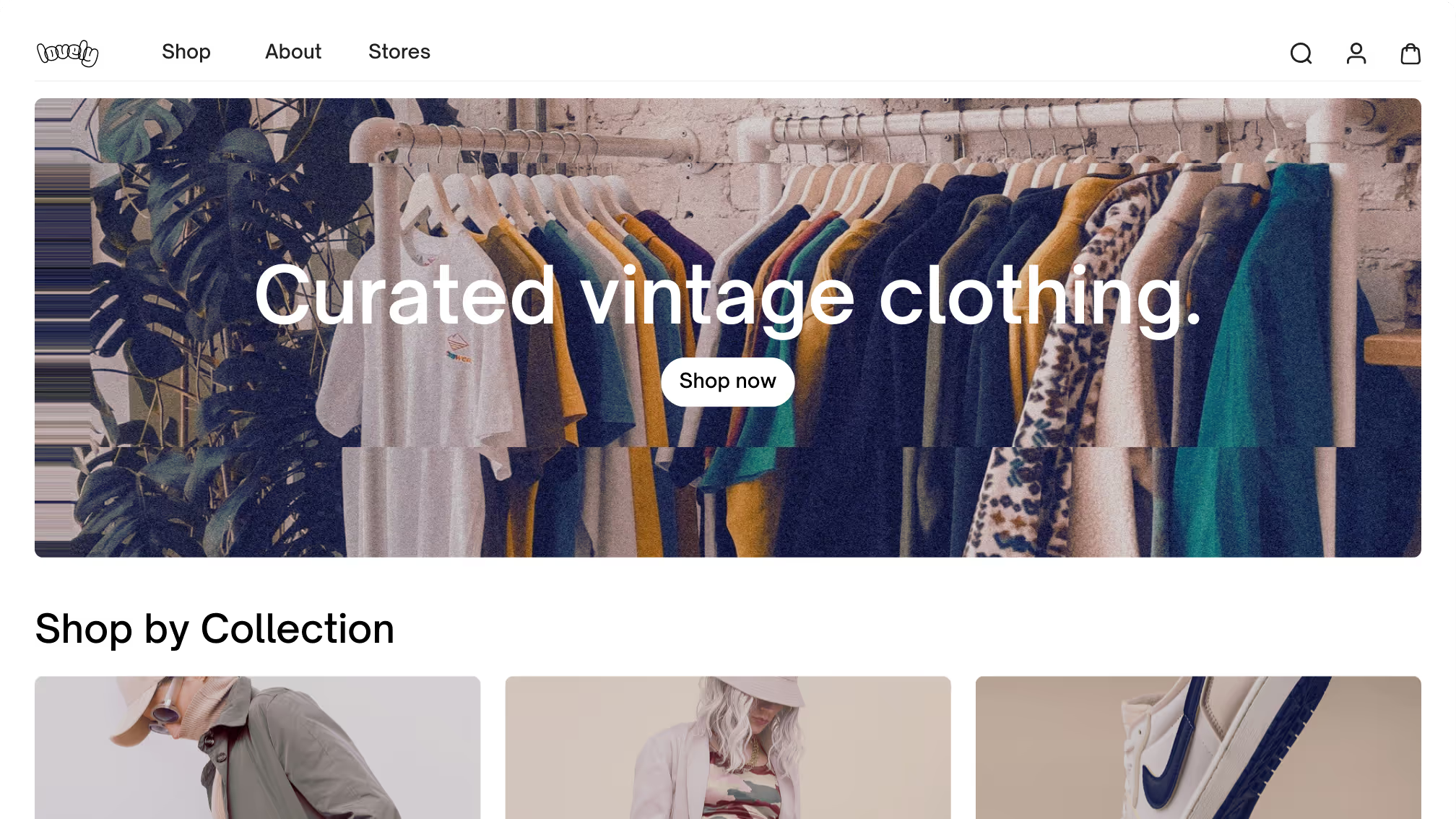
Sell directly to your audience through a ready-made storefront designed for recommerce.
Integrated payments
Offer secure checkout with integrated payments and predictable fees.
Unified order management
See all orders from every channel in one organized dashboard.

Selling secondhand clothes is good business. Doing it with TWICE is even better.

From independents to multi-store chains, TWICE supports any team selling used clothing at volume with tools designed to streamline logistics, listings, and cross-channel selling.

Independent resellers

Replace spreadsheets and scattered tools with one easy-to-use system that helps you organize apparel inventory and cross-list items quickly across the fashion resale channels that matter.

Secondhand stores

Streamline intake, pricing, and listing work while expanding from a local store to online sales, and stand out by offering a smoother, more consistent shopping experience across channels.

Brands

Launch and own a branded apparel recommerce program that strengthens customer relationships, protects brand value, and creates a new revenue stream from trade-ins and pre-owned clothing.

Reselling clothes, simplified

Remove the most common resale bottlenecks and run your operations smoothly, whether you are just getting started or scaling a complex resale business.

Frequently asked questions

How does TWICE help manage unique, one-of-a-kind clothing items?

Resale inventory changes daily, and every piece is different. TWICE uses single-item tracking, so each garment carries its own data: condition, measurements, brand, intake source, price, and history. You always know what’s available, where it is, and what’s ready to list — without relying on spreadsheets or manual checks.

Can TWICE support consignors, buyback programs, or both?

Yes. TWICE is designed to handle multiple intake models. You can track consignor agreements, payouts, commissions, and settlement cycles — or run buyback programs where items are purchased outright. Both workflows live in the same system, making secondhand sourcing structured and scalable.

Does TWICE connect online and in-store resale operations?

Yes. TWICE centralizes inventory across your online store, physical locations, pop-ups, and warehouse spaces. Every sale updates stock in real time, so you never double-sell a one-of-one item. In-store POS flows and online checkout stay synced through one backend.

How does TWICE streamline intake and pricing?

Intake is often the most time-consuming part of resale. TWICE creates repeatable processes for tagging, photographing, pricing, and publishing items. You can standardize pricing rules by brand, condition, or category to keep valuations consistent — while still leaving room for expert judgment when needed.

Can I use TWICE if I already have an existing website?

Absolutely. You can keep your current site and use TWICE as your resale engine in the background. Add product links, embed store components, or connect via integrations depending on your setup. TWICE handles the inventory, orders, and lifecycle tracking — your website stays the front of the brand.